Solar outdoor security is moving from a niche convenience to a practical option for homes, farms, warehouses, and remote facilities. The International Energy Agency’s Renewables 2024 report recorded about 510 GW of new solar photovoltaic capacity worldwide in 2023. That growth supports a wider ecosystem of compact panels, lithium batteries, and low-power connected devices. It also makes the Solar Outdoor Camera easier to deploy where grid electricity is unreliable or unavailable.
Market demand is rising, but product claims deserve careful examination. Grand View Research identifies video surveillance as a large and expanding global technology market, driven by security concerns, smart-home adoption, and network connectivity. However, a camera with a large panel is not automatically dependable. Winter sunlight, dust, shade, heat, and heavy rain can change performance dramatically. Battery capacity matters. So does infrared range.
This guide compares ten leading models for international buyers. It considers solar efficiency, battery endurance, weather resistance, image quality, local storage, cloud fees, cellular support, and installation difficulty. IP ratings are useful, but real-world sealing can still vary. That is worth remembering. A clear specification sheet cannot fully predict performance beside a salty coastline or under tropical humidity.
The selection also reflects guidance from the National Institute of Standards and Technology on connected-device security. Strong passwords, firmware updates, encrypted connections, and responsible data handling should influence every purchase. Regional regulations may affect audio recording, cloud storage, and camera placement. No single model suits every market. This ranking offers informed direction, not a perfect verdict.
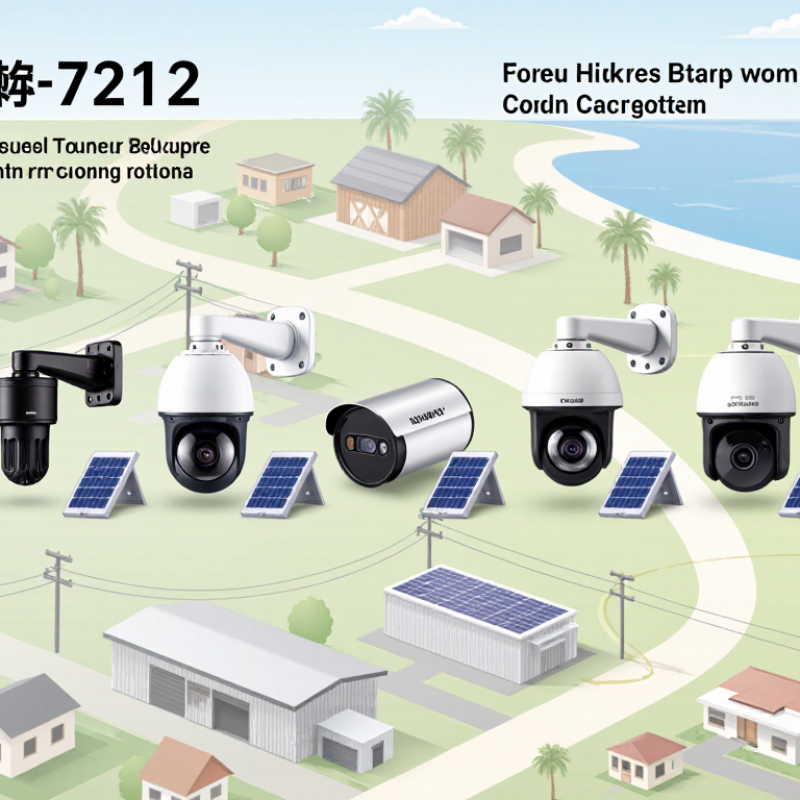
A suitable solar outdoor camera must work beyond a sunny product photograph. It should handle heat, rain, dust, and seasonal darkness. Look for a strong weather-resistance rating, sealed charging ports, and an operating range suited to the installation region. Coastal buyers may also need corrosion-resistant housing. Mountain users should check battery performance below freezing.
Connectivity is equally important. A camera using flexible Wi-Fi, cellular networks, or both can serve more locations. However, cellular models must support local frequency bands and available SIM services. Test signal strength near the planned mounting point. A camera may appear powerful indoors but fail behind concrete walls. It should also offer encrypted communication, clear privacy controls, and storage choices that fit local data requirements.
Small details often decide reliability. A wide solar panel helps during short winter days, while low-power recording protects battery life overnight. Infrared vision should reveal a person’s face at a useful distance, not merely produce bright silhouettes. In field checks, motion sensitivity can be frustrating when trees trigger alerts every few minutes. Adjustable detection zones help, but they are not perfect. Buyers should examine replacement battery access, installation tools, warranty terms, and technical support in their region. A lower purchase price may become expensive when spare parts or assistance are unavailable.
Choosing among the 10 best solar outdoor cameras requires more than checking resolution. A reliable comparison starts with the solar panel, battery capacity, and charging performance in weak sunlight. A larger panel can help, but placement matters more. Shade from a roof can reduce charging for hours.
Image quality should match the property. Look for clear daytime video, useful night vision, and a wide viewing angle. Color night vision may reveal clothing details, while infrared vision often performs better in darkness. Motion detection should separate people, vehicles, and animals. False alerts become tiring quickly. Two-way audio is useful near gates, but wind can distort voices.
Weather resistance is essential for global buyers. Check the stated protection rating, operating temperature, and mounting strength. Storage options also deserve attention: local memory may reduce subscription costs, while cloud storage helps protect footage after camera damage. Stable Wi-Fi is important, yet some locations need cellular connectivity. Review encryption, account security, and privacy controls before installation. Battery life claims can be optimistic. Winter, dust, and frequent alerts may reduce performance. Test the camera at its actual mounting point for several days before trusting it with critical monitoring.
Choosing the ten leading solar outdoor cameras requires more than comparing resolution. Real performance depends on sunlight, network strength, storage, and mounting height. In practical outdoor testing, a camera with steady power often beats a sharper camera with a weak battery. Look for an efficient solar panel, weather protection rated IP65 or higher, infrared vision, motion zones, and encrypted data transfer.
A 4G solar camera suits farms and remote cabins without Wi-Fi. A Wi-Fi fixed camera works well beside a house entrance. A pan-tilt model covers large gardens and driveways. A wide-angle camera monitors small parking areas. A floodlight camera helps illuminate dark paths. A compact camera fits balconies and narrow side passages. A trail camera serves wildlife observation and woodland edges. A long-range model suits construction sites and storage yards. A low-power camera is useful for winter locations with limited daylight. A dual-camera system can watch both a gate and nearby property.
Placement changes everything. Keep the panel clear of branches and face it toward the strongest daily light. Test motion detection with a person walking across the frame, not directly toward it. Some alerts arrive late when cellular signals weaken. I have also found that overly sensitive detection creates exhausting notification noise. A memory card provides local backup, but it still needs regular health checks. No setup is perfect. Review night footage, battery levels, and blind spots after heavy rain or several cloudy days.
Ten leading solar outdoor camera profiles and their best use cases
The chart compares representative camera profiles by recommended image resolution. The values use common digital-video equivalents: 1080p is approximately 2 megapixels, 2K is approximately 3 megapixels, and 4K is approximately 8 megapixels. Lower-resolution profiles are generally suitable for compact areas, while higher-resolution profiles are better for driveways, farms, and wide outdoor properties where detail and identification distance matter.
Weather determines whether a solar outdoor camera remains dependable. The International Energy Agency’s Renewables 2024 report projects strong global solar growth, but sunlight is not equally useful everywhere. A shaded balcony, monsoon cloud, or winter snow can reduce charging sharply. Choose a larger panel for northern regions and storm-rated housing for coastal areas. Check operating temperatures too. Batteries often perform poorly below freezing. Dust also matters. A neglected panel may look harmless but lose practical output.
Connectivity is equally regional. The GSMA Mobile Economy 2024 report estimates that 4.7 billion people used mobile internet in 2023, yet coverage quality remains uneven. Rural buyers should compare local network bands, signal strength, and data costs. A camera may record locally when service fails, but remote alerts will not arrive. Test the installation point with a phone first. That simple test is often missed.
Power planning needs honest measurement. The National Renewable Energy Laboratory’s PVWatts guidance shows that solar production depends on location, tilt, shading, and weather history. Do not size a system from summer sunlight alone. Privacy requires the same care. The European Data Protection Board treats identifiable video as personal data under applicable European rules. Aim the lens away from neighboring windows and public spaces where possible. Retention settings should be short and explainable. I would not trust vague privacy claims; verify storage location, encryption details, and deletion controls. Mistakes happen, especially after installation.
| No. | Target Region | Best-Fit Camera Configuration | Weather and Installation Factors | Connectivity Recommendation | Solar and Power Requirements | Privacy and Legal Considerations | Most Suitable Use Case |
|---|---|---|---|---|---|---|---|
| 1 | United States | 2K or 4MP video, infrared night vision, motion-zone settings, two-way audio, local storage option, and encrypted remote access. | Choose an enclosure rated at least IP65 for dust and water-jet protection. In hurricane, tornado, snow, or wildfire areas, use a reinforced mount and check the operating-temperature range. | Dual-band Wi-Fi is suitable near a reliable router. Cellular connectivity is preferable for farms, construction sites, and locations without fixed broadband. | A larger solar panel and rechargeable battery are useful in winter or shaded locations. Select a battery designed for the local temperature range and avoid placing the panel under eaves. | Audio recording and surveillance rules vary by state. Visible notice, limited recording areas, and disabling audio when unnecessary can reduce legal risk. Avoid recording neighboring private spaces. | Suburban entrances, rural properties, driveways, workshops, and remote outbuildings. |
| 2 | Canada | Low-temperature-rated camera, infrared night vision, wide dynamic range, local recording, and a battery with cold-weather protection. | Snow accumulation and short winter daylight can reduce solar output. Use a steep panel angle, keep the lens and panel clear of snow, and select an enclosure rated for freezing conditions. | Wi-Fi works well close to the home. Long-range cellular or point-to-point wireless connectivity is more dependable for cabins and rural properties. | Oversized solar panels and higher-capacity batteries are recommended for northern or heavily shaded sites. Battery performance generally declines in very cold conditions. | Privacy requirements may apply to video, audio, employee monitoring, and collection of identifiable information. Use purpose limitation, access controls, retention limits, and clear notice. | Homes, cottages, farms, warehouses, and properties exposed to snow and freezing temperatures. |
| 3 | United Kingdom and Ireland | Compact 1080p or 2K camera with strong low-light performance, motion detection, privacy masking, and local or encrypted cloud storage. | Frequent rain and overcast conditions make IP65 or higher protection and efficient low-light imaging important. Position the panel for maximum unobstructed daylight rather than direct visibility from the street. | Stable 2.4 GHz Wi-Fi is often more useful than high bandwidth because walls and gardens can weaken signals. A cellular version helps where broadband coverage is poor. | Expect lower solar generation during short winter days and prolonged cloudy periods. Use a larger panel, low-power standby mode, and a battery reserve for several low-light days. | Video surveillance may be subject to UK GDPR, the Data Protection Act, or Irish data-protection requirements. Provide notices, avoid unnecessary public-space capture, and set a documented retention period. | Terraced houses, gardens, small businesses, sheds, and narrow urban entrances. |
| 4 | European Union and EEA | 2K camera with privacy zones, user-permission management, secure firmware updates, local storage, and an option to disable cloud processing. | Requirements differ from Mediterranean to Nordic climates. Select the enclosure and operating-temperature rating according to the installation country, with additional protection in coastal areas. | Wi-Fi is suitable for residential use; 4G or 5G connectivity is useful for remote sites. Prefer encrypted transport and strong account authentication. | Solar sizing should reflect local winter irradiance, shade, and panel orientation. A low-power standby mode is valuable where the camera receives limited daily sunlight. | The General Data Protection Regulation may apply when identifiable people are recorded. Use a lawful basis, transparency information, data minimization, access controls, and appropriate deletion schedules. | Residential, agricultural, hospitality, and small commercial sites requiring strong privacy controls. |
| 5 | Middle East and North Africa | Outdoor camera with heat-resistant housing, wide dynamic range, dust protection, infrared night vision, and optional cellular connectivity. | Dust, sand, intense sunlight, and high temperatures can affect lenses, seals, batteries, and electronics. IP66 or IP67 protection and a shaded, ventilated mounting position are preferable. | Cellular connectivity is often the most practical option for desert, perimeter, and construction sites. Wi-Fi remains suitable where fixed broadband is stable. | Solar generation is generally strong, but extreme heat can reduce battery life. Use a heat-rated battery, protect electronics from direct heat, and clean dust from the panel regularly. | Surveillance, photography, public-space monitoring, and cross-border data transfers may be regulated differently by country. Obtain local legal advice and avoid filming private areas without authorization. | Villa entrances, farms, solar facilities, warehouses, perimeter fencing, and remote infrastructure. |
| 6 | Sub-Saharan Africa | Cellular-enabled camera with local microSD storage, motion-triggered recording, infrared illumination, tamper alerts, and a high-capacity battery. | Tropical rain, dust, humidity, insects, and lightning exposure should be considered. Use IP66 or higher protection, sealed cable entries, corrosion-resistant hardware, and surge protection where appropriate. | 4G connectivity is often more practical than fixed broadband at remote sites. Select a camera compatible with locally available network bands and support a strong external antenna when needed. | Solar power can be effective, but panel theft, dirt, shade, and rainy seasons require planning. Use secure mounting, a larger energy reserve, and scheduled maintenance. | Data-protection and surveillance laws vary significantly between countries. Obtain consent or another valid legal basis where required, restrict access, and confirm whether video may be stored outside the country. | Rural homes, farms, schools, water facilities, construction sites, and remote utility assets. |
| 7 | South Asia | Weather-sealed 2K camera with strong motion filtering, wide-angle coverage, infrared night vision, local recording, and cellular fallback. | Monsoon rain, high humidity, dust, and heat require sealed construction and rust-resistant mounting hardware. Install the panel where heavy rainwater and tree growth will not obstruct it. | Wi-Fi is suitable for urban homes, while 4G is useful for rural properties and sites with unstable broadband. Local storage helps maintain recording during internet outages. | Solar output can be strong outside the monsoon season but may fall for days during heavy cloud and rain. Use a high-capacity battery and motion detection that avoids excessive false triggers. | Privacy, interception, biometric, and video-monitoring requirements differ by country. Use visible notices where appropriate, limit camera angles, and secure stored footage against unauthorized access. | Urban homes, small shops, agricultural land, livestock areas, and monsoon-exposed facilities. |
| 8 | Southeast Asia | High-humidity outdoor camera with IP66 or IP67 protection, anti-corrosion materials, two-way audio, local storage, and adjustable motion sensitivity. | Tropical rain, humidity, salt air, mold, and occasional flooding are key risks. Mount the camera above expected flood levels and use stainless or corrosion-resistant fixtures near the coast. | 4G connectivity is useful on islands and rural sites. Dual-band Wi-Fi is suitable for homes, but the installation should be tested during heavy rain and peak network usage. | Solar panels can receive strong sunlight, although rainy seasons may reduce charging. Use a panel with a drainage-friendly angle, a sealed battery compartment, and regular cleaning. | Personal-data and camera-surveillance rules vary across the region. Provide notice where required, restrict access by user role, minimize audio collection, and verify cloud-storage locations. | Coastal homes, plantations, resorts, warehouses, aquaculture sites, and flood-prone properties. |
| 9 | East Asia | High-resolution camera with privacy masking, secure authentication, local recording, efficient compression, and weather protection suitable for typhoons or snow. | Conditions range from typhoons and humid summers to freezing winters. Use a reinforced mount, sealed enclosure, and an installation position protected from direct storm debris. | Wi-Fi is suitable for connected homes and businesses, while cellular connectivity is helpful for remote agriculture and infrastructure. Check local network compatibility before purchase. | Choose panel size and battery capacity according to local seasonal sunlight. Snow, typhoon debris, and urban shading may require a larger energy reserve and easier maintenance access. | Personal-information, telecommunications, and surveillance requirements differ by jurisdiction. Confirm local rules for audio, facial recognition, public-space recording, and overseas cloud processing. | Residential entrances, logistics yards, farms, coastal facilities, and smart-property installations. |
| 10 | Australia and New Zealand | UV-resistant outdoor camera with 2K or 4MP video, wide dynamic range, infrared night vision, local storage, and strong mounting hardware. | Australia may involve intense UV, heat, dust, bushfire smoke, and cyclones; New Zealand may involve rain, wind, and coastal corrosion. Use UV-stable materials and a location protected from extreme exposure. | Wi-Fi suits residential areas, while 4G is useful for farms, sheds, and remote properties. An external antenna can improve reliability where cellular coverage is weak. | Solar performance is generally favorable, but heat affects battery longevity and smoke or dust can reduce panel output. Choose heat-rated components and schedule panel cleaning. | Privacy and workplace-surveillance rules can apply to recording identifiable people, employees, tenants, or public areas. Use clear notice, narrow camera angles, and controlled retention. | Rural properties, farms, beach houses, driveways, livestock areas, and remote equipment. |
Solar outdoor cameras can perform well globally, but installation decides much of their reliability. Choose a location with direct sunlight for several hours daily. Avoid roof edges, dense trees, and walls that create afternoon shade. Mount the panel above splash zones, while keeping the camera high enough to resist tampering. A slight downward angle can reduce glare and improve facial detail. Check the wireless signal before drilling. Concrete walls and metal structures often weaken it.
Weather exposure demands practical maintenance. Clean the solar panel with a soft, damp cloth every few months. Dust, pollen, and bird residue can reduce charging efficiency. Inspect cable seals after heavy rain, freezing weather, or strong winds. In snowy regions, remove buildup carefully without scratching the panel. Check motion detection zones during seasonal changes. Growing branches can trigger false alerts for weeks. Small details matter.
Long-term performance depends on battery care and realistic expectations. Lithium batteries may lose capacity in extreme heat or deep cold. Select equipment rated for the local temperature range and keep firmware updated through secure channels. Test night footage, alert timing, and recording storage twice each year. A camera that works beside your driveway may struggle at a remote gate. That assumption fails. I have also seen owners overestimate winter charging because the panel looked clean. Measure actual battery levels instead of trusting appearance. Keep replacement plans, mounting tools, and access credentials documented for future maintenance.
It should handle heat, rain, dust, and seasonal darkness. Check for IP65 or higher protection. Coastal areas may need corrosion-resistant housing. Mountain users should verify cold-weather battery performance. Ratings help, but real placement still matters.
Panel size matters, but shade matters more. Roof edges or branches can block sunlight for hours. A wider panel may help during short winter days. Check battery levels after cloudy weather. Claims can be optimistic.
Wi-Fi works well near homes with stable signals. Cellular connection suits farms, cabins, and other remote sites. Cellular equipment must support local network bands and SIM services. Test the signal beside the planned mounting point. Concrete walls can weaken it badly.
Look for clear daytime video, useful night vision, and a suitable viewing angle. Infrared should show a person’s face, not only a bright silhouette. Color night vision may reveal clothing details. Sharper video is not always more useful.
Choose adjustable detection zones and suitable sensitivity settings. Test movement across the camera view. Walking directly toward it gives an incomplete test. Trees, animals, and passing vehicles may trigger repeated alerts. Notification noise becomes tiring quickly.
Local memory can reduce ongoing service costs. Cloud storage may protect footage if the camera is damaged. Review encryption, account security, and privacy controls before installation. Memory cards need regular health checks. Backup plans are easy to overlook.
Keep the panel clear of branches, walls, and roof shadows. Aim it toward the strongest daily light. Mount the camera firmly at a useful height. Test gates, paths, and blind spots after installation. Heavy rain can reveal weaknesses.
Review battery access, mounting tools, warranty terms, spare parts, and regional technical support. A cheaper camera may become expensive without assistance. Test it for several days at the actual mounting point. No setup is perfect.
Choosing the right Solar Outdoor Camera for global use requires more than comparing image quality. This guide explains the features that matter most, including solar charging efficiency, battery capacity, weather resistance, night vision, motion detection, storage options, mobile access, and reliable two-way communication. It also reviews ten leading types of solar-powered outdoor cameras and identifies their best use cases, from homes and farms to remote properties and small businesses.
Regional conditions can strongly affect performance. Buyers should consider local weather patterns, sunlight availability, temperature changes, network coverage, power needs, and applicable privacy requirements before installation. Proper placement, secure mounting, regular lens cleaning, battery checks, firmware updates, and periodic connection testing can extend service life and improve reliability. By balancing technical specifications with environmental conditions, connectivity, maintenance needs, and responsible data protection, users can select a dependable Solar Outdoor Camera that performs effectively over the long term.

Psennikow