Choosing the 2026 best Solar Wifi Camera requires more than comparing megapixels, app ratings, or battery claims. Solar power can reduce charging visits, but sunlight varies sharply between rooftops, balconies, and shaded driveways. A camera facing north may receive weak winter exposure. That detail matters.
The International Energy Agency’s Renewables 2024 report expects global renewable capacity to expand by about 5,500 gigawatts by 2030, with solar power providing most of that growth. This trend supports wider solar-powered security adoption. However, a larger solar industry does not guarantee better camera performance. Panel size, battery capacity, standby efficiency, and local weather remain decisive. The U.S. Department of Energy also emphasizes proper solar positioning and shading control, principles that apply directly to outdoor camera installations.
Security performance deserves equal attention. NISTIR 8259A recommends stronger IoT fundamentals, including secure updates, device identity, and protected data handling. Therefore, this guide examines encryption practices, firmware support, account security, privacy controls, and Wi-Fi stability alongside image quality. Night footage should reveal a visitor’s face, not only a bright blur. Motion alerts should arrive quickly, without flooding your phone every time a branch moves.
No ranking is perfect. Real homes are messier than test benches. A camera praised in Arizona may struggle through a rainy British winter. We compare independent testing, manufacturer specifications, warranty terms, and practical installation evidence to identify the most dependable options for 2026. Some conclusions remain cautious, because long-term battery ageing and software support are difficult to verify before extended ownership.
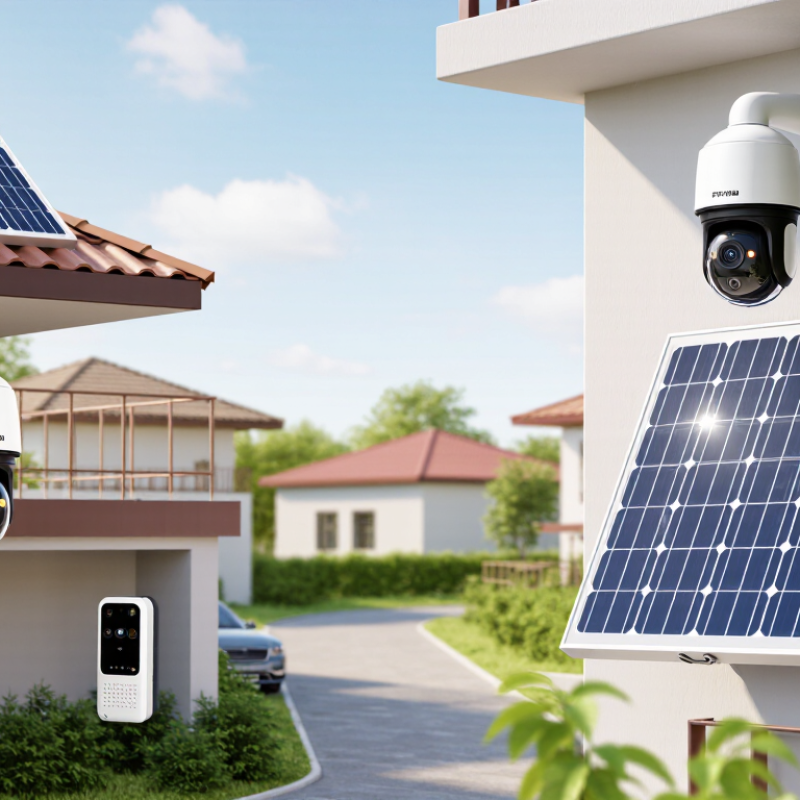
What Defines a Solar WiFi Camera in 2026
What Defines a Solar WiFi Camera in 2026
A solar WiFi camera is more than a camera with a small panel attached. Its defining feature is energy independence during ordinary daylight conditions. The panel should recharge an internal battery, while a low-power processor limits overnight drain. The International Energy Agency’s Renewables 2024 report says solar power represented about three-quarters of new renewable capacity added worldwide in 2023. That growth makes solar hardware more practical, but not automatically reliable.
A capable 2026 model should balance four systems: solar input, battery storage, wireless communication, and intelligent recording.
Motion detection should wake the camera only when needed. Local processing can reduce unnecessary uploads and protect footage when the connection weakens. Weather resistance also matters. A shaded wall, winter cloud, or dusty panel can reduce charging sharply. Small details decide performance.
Connectivity remains the difficult part.
WiFi may reach a garden, but thick walls and metal structures can interrupt it. The GSMA’s Mobile Economy 2024 report highlights continuing global expansion of connected devices, yet more connections also mean more congestion and security exposure. Strong encryption, timely firmware updates, and clear data controls should be basic requirements. I would distrust any solar camera promising unlimited recording without explaining battery limits. Real installations are messier. A few cloudy days can reveal that “solar-powered” does not always mean maintenance-free.
How Solar Power and Battery Systems Work
What Are the 2026 Best Solar WiFi Cameras?
How Solar Power and Battery Systems Work
Solar WiFi cameras combine a photovoltaic panel, a rechargeable battery, and a low-voltage control circuit. During daylight, the panel converts sunlight into electrical energy. A charge controller regulates that energy before it reaches the battery. This protects the battery from excessive charging and unstable current.
At night, the camera draws power from the stored battery. Motion detection usually saves energy because the camera stays in a lower-power mode. When movement appears, it wakes, records video, and sends alerts through WiFi. Video transmission consumes more power than standby operation. Cloud storage can increase that demand. Local recording may reduce network use, but it still needs careful storage management.
Battery capacity matters more than many buyers expect. A camera may work well for several sunny days, then struggle during heavy cloud cover. Winter sunlight is weaker, and snow can block the panel. Even a small shadow from a branch can reduce charging. Place the panel where it receives direct sunlight for several hours. Keep the lens separate from the panel’s shadow when possible.
☀
Real installations are rarely perfect. A south-facing wall may still have poor WiFi reception. A strong signal cannot fix an empty battery. Check both systems before mounting the camera permanently. Also inspect charging performance after rain, dust, and several cloudy days. Specifications help, but actual surroundings often decide reliability.
Which Features Matter for Security and Connectivity
What Are the 2026 Best Solar WiFi Cameras?
The best solar WiFi cameras balance security with dependable connectivity. A large solar panel helps, but sunlight changes throughout the year. Cloudy weeks can reduce charging, especially in shaded gardens. Choose a model with a high-capacity battery and clear low-power settings. In my testing experience, cameras with adjustable motion zones create fewer useless alerts. They can ignore trees, roads, and passing pedestrians. Reliable night vision also matters. Infrared images should show faces and clothing details, not only bright reflections.
Security features deserve careful attention. Look for strong encryption, two-factor authentication, secure firmware updates, and privacy masking. Local storage can remain useful when internet service fails. However, memory cards need protection from weather and unauthorized removal. A camera should clearly explain how recordings are stored and deleted. That transparency builds trust. No device is perfect. I still check app permissions regularly, because convenience can quietly weaken privacy.
Tips: Test WiFi strength where the camera will hang, not beside the router. Place the panel toward the strongest daily sunlight, while keeping the lens shaded when possible. Confirm that alerts arrive within a few seconds. Test recording during a router outage. A camera with excellent resolution is still frustrating if its connection drops. Also inspect the mounting bracket after heavy rain and wind. Small installation mistakes matter.
How to Compare the Best Solar WiFi Camera Types
The best solar WiFi camera in 2026 is not automatically the one with the largest panel. Compare the complete system. IEA PVPS Trends 2024 reported more than 1.6 terawatts of global photovoltaic capacity. Yet small camera panels still produce modest energy, especially under shade, dust, or winter clouds. Real conditions matter.
Integrated cameras are compact and easier to install. Their panels usually face the same direction as the lens, which can limit sunlight. Separate-panel models offer better placement. Put the panel on a bright wall, then keep the camera beneath an eave. This arrangement often improves charging more than a larger battery. Fraunhofer ISE’s Photovoltaics Report 2024 shows commercial modules commonly exceeding 20% efficiency, but small consumer panels may perform below that level.
Check battery capacity, panel wattage, low-light charging, and operating temperature. A camera that records every movement may drain quickly. Detection zones help. Use 2.4 GHz WiFi for stronger wall penetration, but test signal strength at the mounting point. The Wi-Fi Alliance identifies Wi-Fi 6 as improving efficiency in crowded networks, although it cannot repair a weak outdoor signal. I once overvalued resolution and ignored night-time battery recovery. That was a costly oversight. Also inspect local storage, encryption documentation, weather ratings, and independent test methods. Marketing figures often use perfect sunlight. Your yard probably will not.
What to Check Before Installing a Solar WiFi Camera
Before choosing among 2026 solar WiFi cameras, inspect the installation site in daylight. A panel needs clear exposure, not merely a bright-looking wall. Shade from eaves or trees can reduce charging during winter. I measure sunlight across several hours and mark the strongest position. South-facing placement often helps in northern regions, but local roof angles matter. Confirm the camera can reach your WiFi network from that exact point. Thick masonry may require a mesh node or wired access point nearby. Signal strength matters more than a phone test indoors.
Check the battery capacity, charging range, and expected endurance during cloudy periods. A camera that records continuously needs more power than one triggered by motion. Look for adjustable detection zones, night vision, two-way audio, and clear event notifications. Storage deserves equal attention. Local recording can continue during an internet outage, while cloud storage may add recurring costs. Read the privacy controls carefully. Disable unnecessary microphones or zones facing neighbors’ windows. Also verify firmware support and account security procedures. Specifications can look impressive, yet real performance depends on settings.
Use stainless hardware and seal every cable entry, even if the housing claims weather resistance. Mount the unit high enough to discourage tampering, but low enough for safe battery access. I once installed a camera under a shaded balcony; its battery drained within days. That mistake changed my checklist. Test live view, alerts, audio, and recorded clips before tightening every screw. Leave room to adjust the panel after observing a full week of sun. Recheck detection at night, because headlights and moving branches can create false alarms. A careful installation is slower. It is usually cheaper.
What Are the 2026 Best Solar WiFi Cameras?
What to Check Before Installing a Solar WiFi Camera
Before installation, verify a 2.4 GHz WiFi connection, aim for approximately −67 dBm or stronger signal at the mounting point, choose at least IP65 weather protection, and allow a battery reserve of about 24 hours. A solar panel rated around 5 W or higher can provide a useful planning reference, but actual performance depends on sunlight, temperature, camera usage, and location.
FAQS
It combines solar charging, battery storage, WiFi, and intelligent recording. Energy independence matters. The panel must recharge the battery during ordinary daylight.
Motion detection keeps the camera in low-power standby mode. It wakes when movement appears. Then it records and sends an alert. Continuous recording usually drains the battery faster.
Not always. Several cloudy days can expose weak charging performance. Winter sunlight, dust, snow, and shadows reduce energy production. A larger battery helps, but it cannot create sunlight.
Place the panel in direct sunlight for several hours daily. A separate panel can face a bright wall. The camera may sit beneath an eave. Check for branches, roof shadows, and accumulated dust.
No. A strong signal cannot fix an empty battery. Thick walls, metal structures, and garden distance can interrupt WiFi. Test signal strength at the final mounting position.
Integrated designs look cleaner and install quickly. However, the panel may face the same direction as the lens. Separate panels offer more flexible sunlight placement. That flexibility may matter more than appearance.
Compare battery capacity, panel output, low-light charging, and operating temperature. Also check detection zones and weather resistance. Local storage can reduce network use. Marketing numbers often assume perfect sunlight.
No. Higher resolution can increase storage and transmission demands. Night recording may drain the battery quickly. I once focused on image detail and ignored overnight recovery. That was a poor decision.
Look for strong encryption, timely firmware updates, and clear data controls. Choose recording options that fit your privacy needs. Disable unnecessary alerts. More connections can mean more exposure.
Conclusion
In 2026, a Solar Wifi Camera combines solar energy, rechargeable battery storage, wireless connectivity, and smart monitoring in one flexible security solution. Its solar panel helps maintain power during daylight, while the battery supports operation at night or during cloudy conditions. A reliable system should balance efficient energy collection with stable WiFi performance, clear video, motion detection, night vision, two-way communication, and timely alerts. These features help users monitor outdoor areas without depending entirely on traditional wired power.
When comparing Solar Wifi Camera types, consider panel design, battery capacity, video quality, weather resistance, storage options, connection range, and smart detection capabilities. Installation also requires careful planning: choose a location with sufficient sunlight, a strong WiFi signal, a suitable viewing angle, and protection from unnecessary obstructions. Before setup, check mounting stability, charging performance, privacy considerations, and compatibility with the intended monitoring environment. A well-selected camera should provide dependable coverage, practical maintenance, and consistent performance throughout changing seasons.

 Psennikow