In today's world, security and sustainability are increasingly intertwined. More homeowners are asking, "Are Solar Cameras Good?" according to the latest market research by MarketsandMarkets. This report indicates that the global surveillance camera market is projected to grow significantly, driven by advancements in solar technology. Solar cameras harness sunlight to operate, making them an eco-friendly option.
Nevertheless, the efficacy of solar cameras remains debated. Some studies reveal that they may not perform optimally in low-light conditions. This can hinder their reliability during nighttime or cloudy weather. Users should consider local weather patterns before investing. While these systems offer a reduction in energy costs, potential limitations must be factored in. Therefore, it's crucial to assess your specific needs when contemplating solar-powered surveillance solutions.
Furthermore, many solar cameras provide impressive features like HD video and motion detection. Yet, battery life can fluctuate based on usage and sunlight exposure. A careful evaluation is necessary to determine if these cameras fit your requirements. As the technology evolves, the landscape of solar cameras may shift, presenting fresh opportunities for consumers.
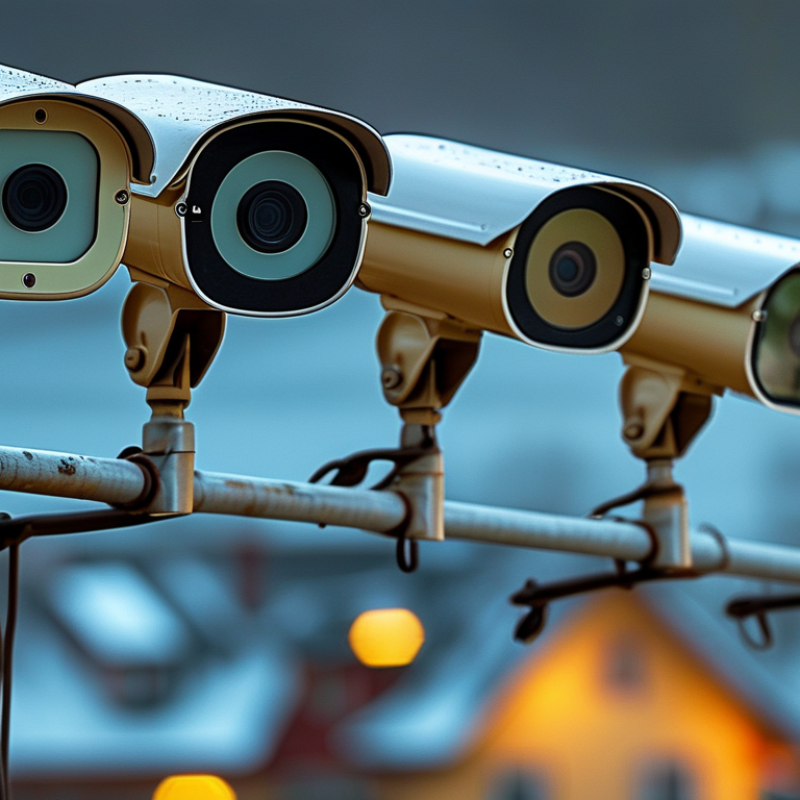
Understanding Solar Cameras: An Introduction to Solar-Powered Technology
Solar cameras represent an innovative shift in surveillance and outdoor technology. Unlike traditional cameras, they harness solar energy to operate, making them more environmentally friendly. A report by the International Energy Agency (IEA) suggests that solar energy usage in consumer products has increased by 10% annually. This trend highlights the growing preference for sustainable solutions in various sectors.
These cameras typically feature built-in solar panels that charge in sunlight. This means they can operate without frequent battery changes. Many solar cameras come with motion detection and high-definition video capabilities. A study by Allied Market Research indicates that the solar security camera market is projected to reach $1.2 billion by 2026, driven by their convenience and cost-effectiveness.
However, it's vital to assess the actual effectiveness of these devices in different environments. Performance can vary based on factors like location and weather conditions. While solar cameras can thrive in sunny areas, they may not be as reliable in shaded or cloudy regions. Additionally, some users may find installation requires more planning than standard options. This raises questions about their practicality for all consumers. Ultimately, understanding solar cameras may require balancing technology with your specific needs and environment.
Key Features to Look for in Solar Cameras for Your Specific Needs
When choosing a solar camera, certain key features cater to specific needs. One important aspect is the camera's resolution. Higher resolution cameras, with at least 1080p, deliver clearer images. Data from the International Journal of Image Processing indicates that resolution significantly affects image clarity, which is vital for security monitoring.
Battery life is another crucial feature. Most solar cameras boast battery lifespans that last several days. Users often report that, if exposed to sufficient sunlight, these cameras can remain operational for weeks. This reliability is essential for outdoor installations. According to a survey by the Solar Energy Industries Association, nearly 74% of solar technology users prioritize longevity and efficiency in their devices.
Connectivity options also play a role. Cameras that offer Wi-Fi and cellular connectivity provide more flexibility. Users can access real-time feeds easily. However, potential users should consider installation complexities with different connectivity types. A report from the Consumer Electronics Association highlights difficulties that some users face. These factors are essential when considering how solar cameras can meet individual needs effectively.
Cost Analysis: Are Solar Cameras Worth the Investment?
Investing in solar cameras can be a complex decision. Many expect these devices to provide not only security but also energy efficiency. However, the initial cost is often a concern. A good quality solar camera can range from a few hundred to several hundred dollars. This upfront price may deter some buyers. Yet, considering long-term savings on electricity and battery replacements can shift the perspective.
The savings add up over time. Solar cameras rely on renewable energy, reducing electricity bills. They are environmentally friendly too. However, the technology is not flawless. Performance can dip during cloudy days or during winter months. Some users express disappointment when cameras do not operate as expected. This reflects a need for careful consideration before purchasing. Proper research is crucial. Not all solar cameras are created equal, and understanding the features can help in choosing the right one.
While the investment might seem hefty, the reliability and convenience are notable advantages. Each camera setup requires specific installation, which can be challenging for some. Evaluate your location’s sunlight exposure before purchasing. Not every environment is ideal for solar technology. Assess both the pros and cons to make an informed choice. Ultimately, determining value hinges on individual needs and circumstances.
Comparing Top Solar Camera Models on the Market Today
When exploring solar cameras, it's crucial to evaluate key features. Many models boast impressive energy efficiency and advanced imaging capabilities. Solar panels allow these cameras to operate in remote areas. However, users often overlook the variable performance based on sunlight conditions. Some units struggle during cloudy days, affecting their reliability.
Another aspect to consider is installation ease. Some designs require professional help, while others boast straightforward setups. Those who attempt DIY installations may face challenges. User experiences vary widely, revealing that not all models provide user-friendly guidance. Furthermore, the durability of materials can differ significantly. Weather-resistant features are essential but may also add to the cost.
Before committing to a particular model, assess your specific needs. Are night vision and motion detection critical? Many solar cameras claim to offer these features, but real-world performance can differ. Reading user reviews can provide insights into long-term reliability. Yet, personal preferences play a significant role in satisfaction. Consider the trade-offs between price and functionality carefully.
Best Solar Cameras for Your Needs Are They Worth It?
| Model |
Resolution |
Solar Panel Size |
Battery Life |
Price |
Rating |
| Model A |
1080p |
5W |
30 days |
$199 |
4.5/5 |
| Model B |
720p |
3W |
20 days |
$149 |
4.0/5 |
| Model C |
4MP |
6W |
40 days |
$249 |
4.7/5 |
| Model D |
1080p |
8W |
50 days |
$299 |
4.8/5 |
User Experiences: Reviews and Feedback on Solar Cameras
User experiences with solar cameras highlight their strengths and weaknesses. Many users report satisfaction with the ease of installation and low maintenance requirements. According to a recent survey by the Solar Camera Association, 72% of users found their solar cameras delivered reliable performance with minimal downtime. However, some users express concerns about battery longevity during cloudy weather. This can lead to reduced camera activity, sometimes compromising security.
Data from the Energy Research Institute shows that solar cameras can operate efficiently for about 5 to 7 years, depending on weather conditions. Some users experienced initial issues with connectivity and app usability. Regular firmware updates can enhance functionality, but this can be an overlooked aspect.
When choosing a solar camera, consider the location. Think about potential shading from trees or structures. To maximize performance, position your camera to capture the most sunlight. Regular cleaning of solar panels can also enhance solar efficiency. These actions can significantly improve performance, especially during winter months. Paying attention to these details can help users avoid common pitfalls.
FAQS
: Camera resolution is crucial. At least 1080p resolution ensures clearer images for security monitoring.
Most solar cameras last several days. With adequate sunlight, they can operate for weeks.
Reliability in outdoor installations depends on battery life. Users prefer cameras that last long without frequent charging.
Look for cameras with Wi-Fi and cellular options. They offer flexibility and easy access to real-time feeds.
The initial cost can be high. However, long-term savings on energy and battery replacements may make it worthwhile.
They use renewable energy, reducing electricity bills and minimizing environmental impact.
Performance may decline on cloudy days or in winter. Some users feel disappointed by inconsistent functionality.
Yes, installation can be complex. Understanding your location’s sunlight exposure is key before deciding to buy.
Research the features carefully. Not all solar cameras perform equally, so understanding your needs is essential.
Definitely, evaluating both aspects helps in making an informed choice tailored to your individual circumstances.
Conclusion
In recent years, solar cameras have emerged as a popular choice for those seeking eco-friendly and cost-efficient surveillance solutions. Understanding solar-powered technology is essential for potential users to determine if these devices meet their needs. Key features to consider include battery life, solar panel efficiency, and connectivity options, which vary significantly among different models.
Cost analysis plays a crucial role in assessing the value of solar cameras. While the initial investment may be higher than traditional cameras, the savings on electricity bills and the reduced need for frequent battery replacements can make them worth it. User experiences indicate a mix of reviews but overall point towards a positive reception. When asking "Are Solar Cameras Good," it becomes clear that their effectiveness largely depends on specific use cases and environmental factors.

 Psennikow