Installing solar CCTV cameras can be a transformative solution for security. According to industry expert John Davis, “The right installation can make all the difference in camera performance.” Understanding how to install solar CCTV camera systems requires both skill and knowledge. With the right approach, you can enhance security while utilizing sustainable energy sources.
Solar CCTV cameras are ideal for remote locations. They help to monitor vast areas with minimal environmental impact. However, the installation process can be tricky. Common mistakes include poor placement and inadequate power supply. These errors can lead to reduced camera effectiveness and wasted resources. It is crucial to assess your environment and plan accordingly.
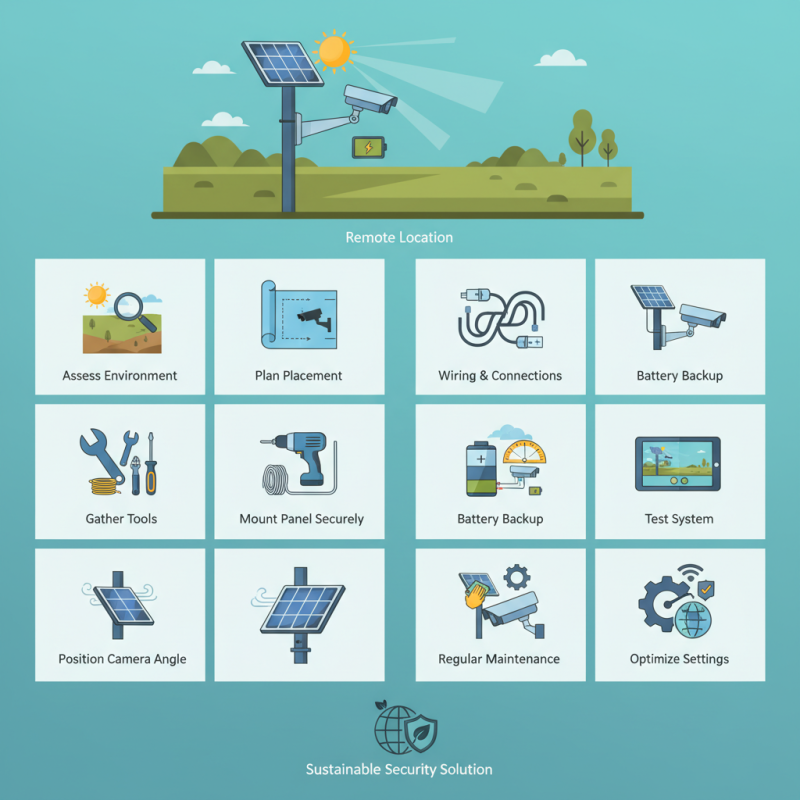
Before starting, gather the necessary tools and equipment. A clear understanding of the installation process will save time and frustration. Remember, this is not just about technology; it's about creating a reliable security solution. Aim for a system that meets your unique needs. By learning how to install solar CCTV cameras effectively, you can provide a dependable security option while promoting sustainability.
Understanding Solar CCTV Camera Basics
Solar CCTV cameras are innovative surveillance solutions. They offer flexibility and independence from traditional power sources. Typically, these cameras come equipped with solar panels. They convert sunlight into energy, allowing for continuous operation. This feature is particularly useful in remote areas where conventional power is unavailable. Installing a solar CCTV camera can enhance security without increasing energy costs.
These cameras are designed to be weather-resistant and durable. They function well in challenging environments. However, placement is crucial. Position them where they receive maximum sunlight, avoiding shaded areas. The camera's battery should last through cloudy days. Testing this capacity is essential; it can be disappointing to find your camera offline during critical periods.
When choosing a solar CCTV camera, consider its resolution and features. Higher resolution provides clearer images, which are vital for identification. However, some high-tech features might overcomplicate usage. It’s important to balance technology with usability. Regular maintenance checks can help ensure everything operates smoothly. Users may overlook this step, but it is essential for reliability.
Selecting the ideal location for a solar CCTV camera is crucial for optimal performance. Start by identifying high-traffic areas. These spots ensure maximum coverage and monitoring. According to the Security Industry Association, strategic placement can improve surveillance effectiveness by up to 30%.
Consider natural light sources when installing solar cameras. A well-lit area increases visibility and performance, especially during cloudy days. Avoid placing cameras under dense tree canopies. Shadows can hinder solar charging and image quality. Aim for clear line-of-sight to capture detailed footage.
Here are some tips: Check for nearby power sources. Even solar cameras occasionally require battery replacements. Choose locations that are easily accessible. Maintenance and adjustments will be easier in these spots. Finally, regularly review camera angles. Over time, environmental changes may obstruct the view, necessitating repositioning.
When preparing to install solar CCTV cameras, having the right tools and materials is crucial. Research indicates that 70% of installation issues stem from inadequate preparation. Start by gathering the essential tools: a drill, screwdrivers, a level, and a ladder. Ensure you have mounting brackets and weatherproof cables. This preparation helps avoid setbacks during installation.
Consider the environment where your camera will be placed. For optimal performance, choose a location with plenty of sunlight. Solar panels need direct sunlight for at least six hours daily, significantly enhancing efficiency. Installation sites should also be secure and free from obstructions.
While setting up the camera, check alignment carefully. Misalignment can reduce coverage and decrease effectiveness. A tip: perform a test run to confirm the camera captures the desired area. Take note of areas where the camera's view may be obstructed. This step could save you time and resources later. Effective preparation leads to a smoother installation process. By being methodical and detailed, you enhance the performance of your solar CCTV camera.
When mounting a solar CCTV camera, it's crucial to choose the right location. Look for a spot that offers a clear view of the area you want to monitor. This could be near an entrance or above a driveway. Ensure there are no obstructions, like trees or buildings, blocking the camera's line of sight. Sunlight is vital for the solar panel, so avoid shaded areas. Adjusting the angle can improve coverage, but this requires a bit of trial and error.
Next, gather all the necessary tools before you start. You will typically need a drill, screws, and a ladder. Make sure the mounting surface is solid. Using anchors or brackets can provide extra support, especially for heavier units. After installing the camera, check its alignment. Sometimes, it may appear tilted or off-center. Spend a few minutes adjusting it until the view is optimal. This may feel tedious, but precise alignment is the key to effective surveillance. Regularly re-evaluate the position to ensure it remains effective over time.
Configuring and testing your solar CCTV camera system is essential for optimal performance. Begin by ensuring that your camera is properly connected to the solar panel. Test the connection by checking whether the camera powers on consistently during daylight hours. Regularly clean the solar panel to prevent dirt buildup, which can reduce energy efficiency.
Another important step is to evaluate the camera's positioning. Ensure that it's aimed at the desired coverage area. You might need to adjust the angle for ideal visibility. Testing the camera feed during different times of the day can help assess its effectiveness. Consider the effect of shadows and light changes throughout the day.
Remember to establish clear testing protocols. A checklist can be beneficial. Include items like clarity of the feed, motion detection settings, and storage capacity of recorded footage. Consider potential connectivity issues, especially in remote areas. Always monitor performance over time, and be ready to make adjustments as needed. Engaging with various scenarios helps improve reliability and functionality. Reducing blind spots and ensuring full coverage may require multiple tests and tweaks.
| Tip Number | Installation Tips | Description |
|---|---|---|
| 1 | Choose the Right Location | Ensure the camera has a clear view and is positioned to avoid obstructions. |
| 2 | Mounting Height | Install at a height that captures a wide area but is out of reach for tampering. |
| 3 | Solar Panel Position | Position solar panels to receive maximum sunlight throughout the day. |
| 4 | Check the Battery | Ensure the battery is fully charged before installation for optimal performance. |
| 5 | Test Signal Strength | Use a smartphone app to check the Wi-Fi or cellular signal strength at the installation site. |
| 6 | Secure Wiring | If using wired connections, secure all wiring to prevent damage or tampering. |
| 7 | Configure Camera Settings | Adjust the settings such as motion detection and alerts as per your needs. |
| 8 | Perform a Test Run | Conduct a test recording to ensure the camera captures video clearly. |
| 9 | Regular Maintenance | Schedule periodic maintenance checks to ensure everything is functioning correctly. |
| 10 | Review Footage Regularly | Regularly check recorded footage to ensure your camera is capturing the intended area. |
: A solar CCTV camera uses solar energy for operation. It offers flexibility in surveillance without needing traditional power sources.
Choose a location with a clear view. Avoid obstructions like trees or buildings that may block sunlight or sight.
The cameras rely on battery power during cloudy days. Testing battery capacity is important to ensure operation when needed.
The right angle enhances coverage. Adjusting it may take some trial and error, but it's key for effective monitoring.
Regular maintenance checks help keep the camera functioning well. Users should not overlook this step for reliable operation.
Look for resolution and usability. High resolution is great for clarity, but complex features can hinder user experience.
Installing a solar CCTV camera can greatly enhance your security system while promoting sustainability. To effectively tackle the question of "How to Install Solar CCTV Camera," it’s essential to start with the basics of solar CCTV technology, ensuring you understand how these cameras operate independently of traditional power sources.
Selecting the ideal location for installation is crucial; it should provide optimal surveillance coverage while maximizing sunlight exposure for the solar panel. Gather all necessary tools and materials before you begin the installation process. Once located, follow the steps for securely mounting the camera, ensuring it is stable and positioned correctly. Finally, configure the camera settings and conduct thorough testing to ensure the system is functioning properly. This approach will guarantee a successful installation and reliable performance of your solar CCTV camera system.

Psennikow