Understanding solar cameras is crucial in today’s tech-driven world. More people are choosing these devices for convenience and sustainability. However, one must also consider the trade-offs involved. What are the disadvantages of solar cameras? This question is essential for making informed decisions.
Solar cameras rely on sunlight for power. During cloudy days, they may struggle to function well. This can be problematic in regions with inconsistent weather. Additionally, their initial costs can deter potential users. While they save energy in the long run, the upfront investment can be significant.
Another concern lies in their reliability over time. Solar panels might degrade, impacting performance and durability. Users may also find the setup process cumbersome. Installation often requires specific positioning to maximize sunlight. Thus, while solar cameras offer unique benefits, they aren't without drawbacks. Reflecting on these factors is important when evaluating their use.
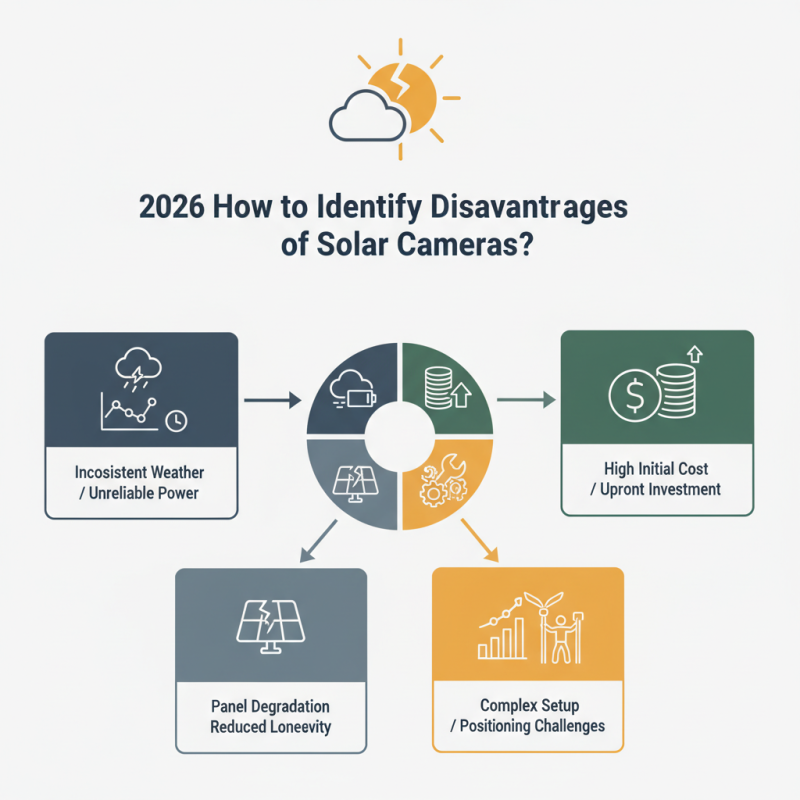
Solar cameras have gained popularity for their ability to function independently of traditional power sources. However, they face notable performance limitations under varying environmental conditions. For instance, excessive cloud cover can significantly reduce solar energy absorption, leading to shorter operational times. Research indicates that performance can drop by up to 40% in overcast weather, limiting their effectiveness during crucial monitoring periods.
Temperature fluctuations also impact solar camera efficiency. Extreme heat can cause battery degradation, while frigid temperatures may slow down electronic components. According to a study conducted by the International Journal of Renewable Energy, performance can decline by approximately 15% in temperatures below 0°C. This variability challenges outdoor applications, especially in regions with harsh climates. Users should consider these factors when assessing the suitability of solar cameras for their needs.
Additionally, solar cameras often require optimal positioning for maximum solar gain. Improper placement can result in reduced energy collection, leading to frequent downtime. A survey from the Renewable Energy Institute highlighted that 30% of users experienced decreased efficiency due to poor installation practices. Reflecting on these issues is crucial for potential users. Understanding limitations can guide more informed decisions about investing in solar camera technology.
: Solar cameras struggle with excessive cloud cover, leading to reduced energy absorption and shorter operational times.
Extreme heat can degrade batteries, while cold weather may slow electronic functions, often leading to performance drops.
Improper placement can reduce energy collection by up to 30%, resulting in frequent downtime and decreased efficiency.
Yes, high humidity can cause condensation, while dust can hinder functionality, impacting performance in harsh conditions.
Regular cleaning is crucial to prevent performance issues. Users should also adjust camera angles for optimal sunlight.
Solar cameras typically have higher initial prices compared to traditional systems, which can deter potential buyers.
In regions with less sunlight, performance may be inconsistent, leading to issues like diminished battery life during cloudy seasons.
Some users find traditional systems more reliable for their specific needs, despite the long-term savings of solar options.
Users should weigh upfront costs against long-term savings and evaluate their unique circumstances and needs.
No, not all solar cameras are designed for shaded or heavily wooded locations, affecting overall performance.
The article "2026 How to Identify Disadvantages of Solar Cameras?" highlights several key areas of concern when evaluating solar camera systems. By identifying performance limitations across various conditions, users can better understand how solar cameras may underperform in different environmental scenarios. Moreover, the article assesses vulnerability to environmental factors such as extreme weather, which can significantly impact the functionality and reliability of these devices.
Additionally, a cost-benefit analysis reveals that while solar cameras offer benefits like reduced energy costs, there are hidden challenges to consider, such as initial installation costs and long-term maintenance. Key issues include evaluating battery life and charging efficiency, as inefficient systems can lead to decreased reliability. Finally, the article examines potential data security risks associated with solar camera systems, urging users to consider "What Are The Disadvantages Of Solar Cameras" before making a decision on installation.

 Psennikow