As the demand for sustainable technology rises, many consumers are asking, "Are Solar Powered Cameras Good?" These cameras promise energy efficiency and reduced environmental impact. Reports reveal that solar-powered devices can reduce dependence on traditional power sources by up to 40%. This statistic is compelling for eco-conscious buyers and businesses alike.
However, the effectiveness of solar cameras depends on several factors, including location and sunlight exposure. A study by the Solar Energy Industries Association indicates that optimal sunlight is crucial for performance. If a camera is placed in a shaded area, it may fail to function correctly. Users should assess their specific needs and environmental conditions before making a decision.
Moreover, while initial costs might be higher, ongoing savings on electricity can be significant. Many experts emphasize the importance of weighing these costs against potential savings. Are Solar Powered Cameras Worth It? The answer isn't straightforward. Consumers must reflect on individual circumstances to determine if the investment aligns with their needs and values.
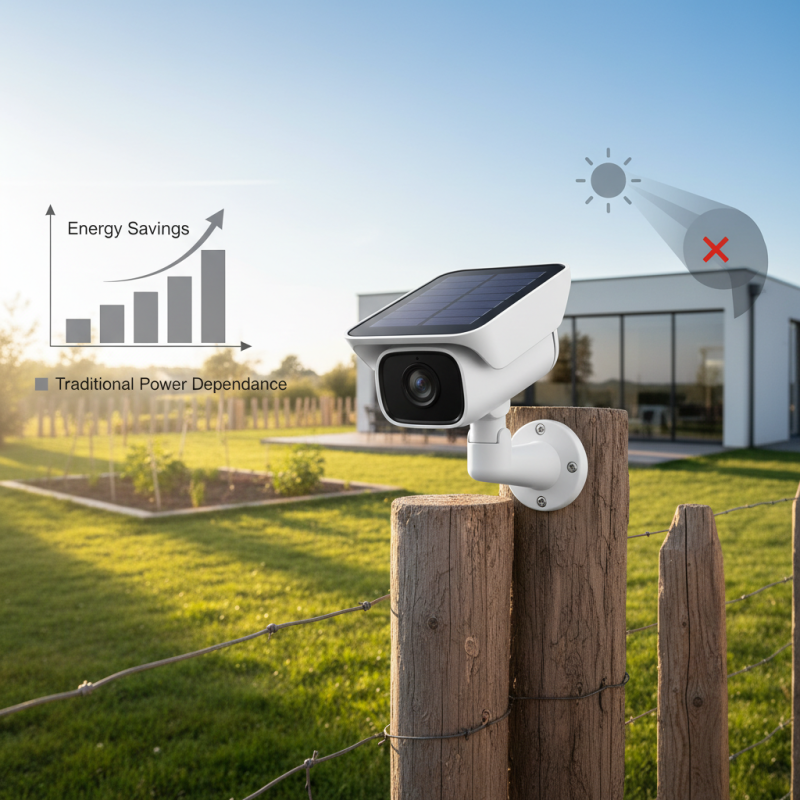
Solar powered cameras are gaining traction among consumers and businesses alike. They rely on renewable energy, reducing reliance on conventional power sources. According to industry reports, the market for solar powered cameras is expected to grow by 15% annually over the next five years. This growth highlights a shift towards sustainability and energy efficiency.
These cameras often feature built-in solar panels, allowing them to recharge in sunlight. This can be particularly beneficial for remote locations where power access is limited. Many models come equipped with motion sensors, night vision, and cloud storage capabilities. With advancements in technology, some solar cameras can operate in low light conditions and offer high-definition video quality. However, concerns over battery performance and charging efficiency in cloudy environments persist.
Incorporating solar powered cameras can lead to significant cost savings. However, installation may require some initial investment. It's crucial to evaluate specific needs and conditions. While these cameras offer useful features, users must consider their limitations, such as the impact of seasonal weather changes on power generation.
: Solar-powered cameras are eco-friendly and cost-effective. They operate independently without electrical outlets, providing flexible placement.
Traditional cameras often rely on batteries or electricity, leading to ongoing costs and maintenance challenges.
Ensure that the camera receives ample sunlight. This helps maximize its efficiency and overall performance.
Solar cameras may have limitations in extreme weather. Consider how local conditions could impact their effectiveness.
Adequate battery life ensures reliable performance, especially on cloudy days when sunlight is limited.
High resolution is essential for detail identification, but it may consume more power. Balance quality with energy needs.
Some solar cameras are easier to install than others. Consider your technical skills when choosing a model.
Solar cameras reduce recurring costs, though manual data retrieval and maintenance may still be necessary at times.
Regularly review footage and check internal storage. Some models may require manual data access.
Assess intended use, sunlight availability, battery life, recording quality, and your comfort with technology.
Solar powered cameras are increasingly gaining attention as an innovative solution for various surveillance needs. They offer unique features such as energy efficiency and sustainability, making them an attractive option for remote locations where traditional power sources may be unavailable. The benefits of using these cameras include reduced electricity costs, ease of installation, and minimal maintenance. When comparing solar powered cameras to traditional models, one finds that while initial costs may be higher, the long-term savings and environmental impact often outweigh these expenses.
However, prospective buyers should consider factors such as battery life, weather resistance, and camera quality when evaluating their options. User experiences and case studies reveal that many find solar powered cameras to be effective solutions, affirming the question, "Are solar powered cameras good?" Ultimately, their effectiveness largely depends on the user’s specific needs and circumstances, but they certainly present a compelling choice for those seeking sustainable surveillance solutions.

 Psennikow