Top 10 Steps to Install Your Solar Camera Easily?

Time:2026-05-11 Author:Aria
0%

Installing a solar camera can enhance your home security and simplify monitoring. Understanding how to install a solar camera is essential for optimal performance. This process can seem daunting, but it doesn't have to be. With the right knowledge and tools, you can achieve it easily.

Before starting, consider where you want to place the camera. The location is crucial for both visibility and sunlight exposure. Ensure the site receives ample sunlight for the solar panel to function effectively. You might face challenges, like finding a stable mounting surface or dealing with Wi-Fi connectivity. Take your time to address these issues; rushing can lead to mistakes.

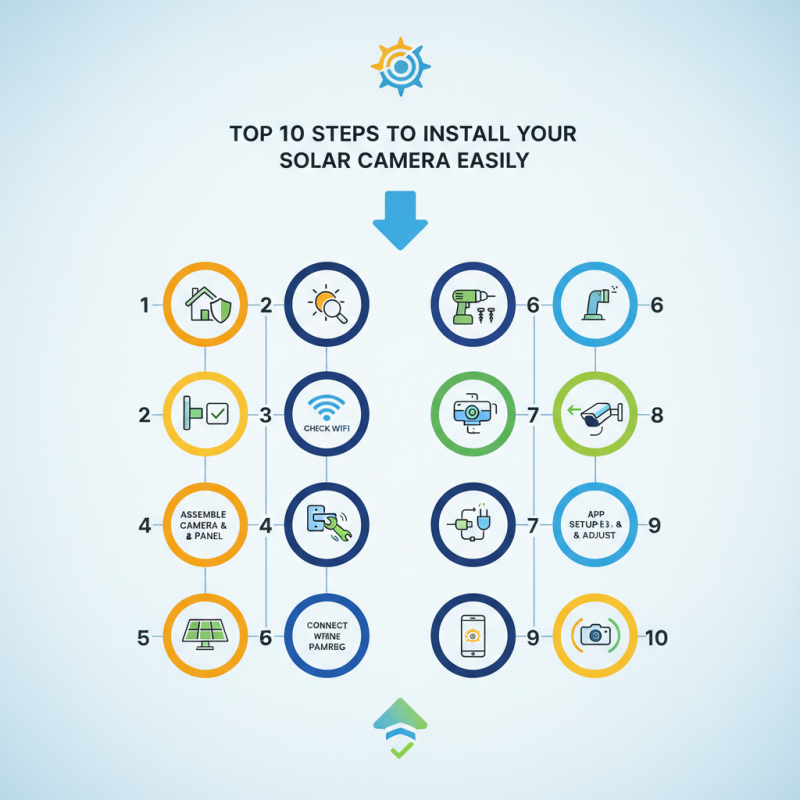
In this guide, we will delve into the top ten steps to install your solar camera with confidence. We will provide practical tips and insights based on real experiences. Remember, every installation can present unique challenges. Reflect on your own setup and adjust as needed. By following these steps, you'll be on your way to securing your property effectively.
Top 10 Steps to Install Your Solar Camera Easily?

Understanding the Basic Components of Solar Cameras and Their Functionality

When considering the installation of a solar camera, understanding its basic components is crucial. Solar cameras typically consist of a camera unit, a solar panel, a battery pack, and wireless connectivity features. The camera unit captures video and images, ensuring you have clear visual monitoring. This component usually includes night vision capabilities for low-light situations.

The solar panel plays a vital role in powering the camera. It absorbs sunlight and converts it into electricity, allowing for independent operation. The effectiveness of the solar panel can be influenced by its positioning and the amount of direct sunlight it receives. If it’s not placed correctly, the camera may not receive enough power, leading to battery drain.

The battery pack stores energy generated by the solar panel. Depending on the camera model, the efficiency of the battery can vary. A poorly functioning battery may lead to unreliable performance, especially during extended periods of low sunlight. Wireless connectivity is essential for remote access. However, signal strength can be compromised by physical obstacles or distance from the router. Users may need to troubleshoot these aspects for optimal camera functioning.

Solar Camera Installation Steps and Efficiency Analysis

Assessing Your Property to Determine the Optimal Installation Location

When considering the installation of a solar camera, the first step is assessing your property to identify the best location. Research indicates that optimal camera positioning can increase efficiency by 30%, as sunlight exposure directly impacts solar panel performance. It’s crucial to look for areas free from obstructions like trees or buildings that may cast shadows.

Tip: Use a sun path diagram to track sunlight in different seasons. This will help you pinpoint the ideal spots for installation. The camera should receive ample sunlight during peak hours, typically between 10 AM and 4 PM. Understanding the sun’s trajectory in relation to your property aids in making informed decisions.

Examining elevation is another factor. Cameras installed at higher points tend to capture wider areas and provide better visibility. If your property has varying terrain, some locations may not be suitable. Always consider accessibility for both maintenance and potential adjustment of the camera angle.

Tip: Regularly check your solar cameras and their surroundings. Nature can change with time and may affect performance. This proactive approach ensures your camera works effectively, maximizing security and providing peace of mind. Adjustments may be necessary to maintain optimal functionality in changing environments.

Gathering Necessary Tools and Equipment for Your Solar Camera Setup

Setting up your solar camera can be an exciting task, but gathering the right tools and equipment is crucial. Begin with a sturdy ladder for easy access to high locations. You’ll also need a drill, screws, and anchors to secure your camera properly. Ensure you have a reliable voltage meter to check battery levels. Many overlook this tool, leading to unexpected power issues later.

Don’t forget about cables and connectors. They are essential for linking your camera with solar panels. Depending on your setup, you might need extension cords. A weatherproof case or enclosure can protect your camera from the elements. It's a small investment that can extend your camera's life.

Lastly, check your tools before starting. A missing screwdriver can delay your entire project. Take your time to plan where the camera will be placed. An ideal spot provides maximum sunlight and coverage. Rushing through this step might leave you dissatisfied later. Each detail you gather will contribute to a smoother installation process.

Step-by-Step Instructions for Mounting Your Solar Camera Securely

Mounting a solar camera may seem daunting, but following clear instructions can simplify the process. Choosing the right location is crucial. Solar cameras typically need direct sunlight for optimal performance. Research by the International Energy Agency shows that solar technology efficiency can drop significantly without sufficient sunlight. Position your camera facing south to capture the maximum sun exposure.

Begin by preparing the mounting surface. Clean the area to remove dirt and debris. Use a level to mark the exact spots for screws, ensuring your camera remains stable. The right tools are essential. A drill, screws, and a screwdriver should be available. A securely mounted camera minimizes the risk of it falling or being misaligned. Industry reports indicate that improper installation can lead to a 20% decrease in effectiveness, impacting footage quality.

Safety is vital. Wear gloves to avoid injury, and take precautions when using ladders. Testing the camera’s placement may reveal areas for improvement. If the footage is unclear, consider adjusting the angle or height. Regular maintenance is also necessary. Check the camera and solar panel for any obstructions that could hinder performance. Reflecting on these steps will improve not just the installation process, but the overall utility of your solar camera.

Connecting Your Solar Camera to Wi-Fi and Configuring the App Settings

Connecting your solar camera to Wi-Fi is a crucial step. It allows real-time monitoring of your property. According to a report by Markets and Markets, the global smart camera market is expected to grow significantly. Therefore, understanding the setup process is essential for many homeowners.

Start by downloading the camera's app. Most manufacturers provide detailed guidelines. Be sure to follow the instructions carefully. Note that in some cases, network security settings can pose challenges. Some users have reported difficulty connecting due to Wi-Fi interference. Keeping your router close to the camera can enhance connection stability.

Once connected, confirm whether the camera syncs properly. Check for firmware updates within the app. Ensuring software is updated increases security and enhances performance. Experts recommend regularly reviewing the camera's footage settings. Adjust resolution and motion detection thresholds based on your needs. This customization can greatly improve your experience, but it might take time to optimize everything. Regular troubleshooting ensures your system works reliably, which is crucial for home security.

FAQS

: What is the first step in installing a solar camera?

: Assess your property to identify the best location for sunlight exposure.

Why is sunlight exposure important for solar cameras?

Sunlight impacts solar panel performance and can increase efficiency by 30%.

When is the best time for solar cameras to receive sunlight?

Peak sunlight hours are typically between 10 AM and 4 PM.

How should I determine the installation spots?

Use a sun path diagram to track sunlight throughout different seasons.

What should I consider regarding elevation when installing?

Higher installations can capture wider areas and improve visibility.

Why is regular maintenance of solar cameras necessary?

Nature can change, affecting performance; checking ensures effective operation.

What are some tools needed for mounting a solar camera?

A drill, screws, a screwdriver, and a level are essential for installation.

How can improper installation affect camera performance?

It may lead to a 20% decrease in effectiveness and footage quality.

What safety precautions should be taken during installation?

Wear gloves and be careful when using ladders to avoid injury.

What should I do if the footage from the camera is unclear?

Consider adjusting the angle or height for better clarity.

Conclusion

Installing a solar camera can enhance your security while being environmentally friendly. To help you through the process, here’s a concise guide on how to install solar camera systems easily. First, it's essential to understand the basic components of solar cameras, including their functionality, which will aid in making informed decisions during installation. Next, assess your property to determine the best location that maximizes sunlight exposure and camera coverage.

After pinpointing the ideal spot, gather all necessary tools and equipment to ensure a smooth setup. Follow the step-by-step instructions for securely mounting your solar camera, ensuring it can withstand environmental elements. Finally, connect the camera to your Wi-Fi network and configure the app settings for optimal performance. By following these steps, you'll successfully learn how to install solar camera systems with ease.


Aria

Aria

Aria is a dedicated marketing professional with a deep passion for innovative strategies and a keen understanding of our company's product offerings. With a wealth of experience in the industry, Aria excels at crafting engaging content that highlights the unique features and benefits of our......