In recent years, the Solar Wifi Camera has gained popularity for its innovative features and convenience. This technology combines solar energy with wifi connectivity, allowing for versatile outdoor surveillance. It offers users the flexibility to monitor their properties without worrying about power sources. Many homeowners now rely on these cameras to enhance their security systems.
However, not all Solar Wifi Cameras are created equal. Features can vary significantly between models. Understanding which attributes are essential is crucial for making an informed choice. It's important to be aware of potential downsides, such as connectivity issues or insufficient storage options. Being knowledgeable helps users avoid common pitfalls when selecting a camera for their specific needs.
Exploring the top features of Solar Wifi Cameras will provide valuable insights. From battery life to video quality, each aspect plays a role in performance. Consumers should weigh these factors carefully and reflect on their unique requirements. A well-informed decision can greatly enhance the security of any space.
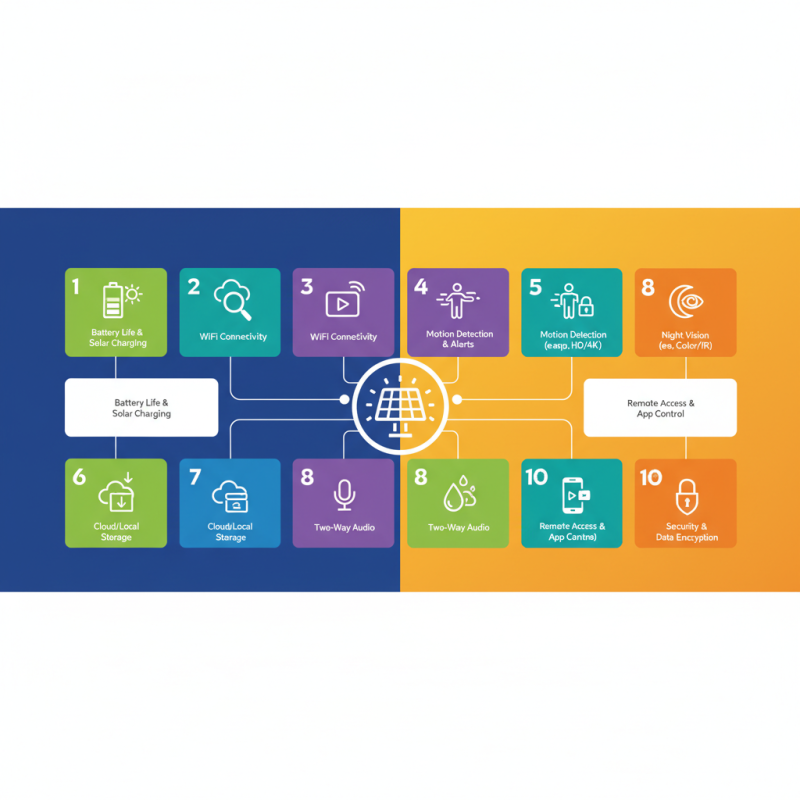
Solar WiFi cameras are transforming security surveillance. Their unique features cater to both practical needs and environmental considerations. One key aspect is their solar-powered capability. This allows for continuous operation, reducing the reliance on electrical grids. Consequently, installations are more flexible and can be placed in areas without power sources.
Another important feature is high-resolution video quality. Many models offer 1080p or higher, ensuring clear images. This clarity is essential for identifying faces or license plates. Additionally, two-way audio is becoming a standard feature. It enables real-time communication, enhancing safety and interaction. However, some users report challenges with sound quality, reflecting the need for improvements in this area.
Night vision capabilities are also crucial. Many solar WiFi cameras now have infrared technology for low-light conditions. This ensures round-the-clock monitoring, a vital component of effective surveillance. On the downside, some users may find the range of night vision limited. This highlights the need for ongoing enhancements in camera technology. Understanding these features helps users make informed choices for their security needs.
Solar power is transforming the way we use wireless camera systems. One of the standout benefits is sustainability. Solar-powered cameras harness energy directly from the sun, reducing reliance on traditional power sources. This is especially advantageous in remote locations where electricity access is limited. The integration of solar panels allows continuous monitoring without frequent battery replacements. It’s eco-friendly and cost-effective over time.
When considering your setup, placement matters. Positioning solar panels in direct sunlight maximizes energy absorption. Regular cleaning of the panel surface can also enhance efficiency. Additionally, invest in high-quality batteries to store excess energy. This ensures your camera remains operational even during cloudy days.
Security isn’t just about monitoring. It’s about ensuring your system works effectively. Check connectivity often, and keep firmware updated. This practice enhances performance and addresses vulnerabilities. Lastly, test the solar functionality periodically to ensure it meets your operational needs. Solar power is a smart choice for reliable, sustainable surveillance solutions.
When considering solar wifi cameras, connectivity options are crucial for effective performance. These devices rely on stable connections to transmit video and audio feeds. Most solar wifi cameras operate through Wi-Fi, utilizing local installed networks. Some models also support mobile data networks, offering backup connections when Wi-Fi is unavailable.
For optimal performance, ensure a robust Wi-Fi signal in the installation area. Consider using a Wi-Fi extender if the camera is far from the router. Look out for cameras equipped with dual-band connectivity. This feature allows you to connect to both 2.4GHz and 5GHz networks, enhancing flexibility and reducing interference.
Tips: Always test the signal strength before final installation. Some locations might present obstacles like trees or buildings. If your camera has an option for Ethernet connectivity, use it where possible. A wired connection can offer a more reliable data transmission alternative. Keep in mind that installing solar wifi cameras near Wi-Fi sources can improve video quality. Explore options for remote monitoring, which keeps you connected even on the go.
When considering a solar WiFi camera, camera resolution and image quality are paramount. Most modern cameras boast resolutions of at least 1080p, which allows for clear, detailed images. Data from the Consumer Technology Association suggests that over 70% of users prioritize image clarity when selecting surveillance systems. A higher resolution enables better facial recognition and minimizes pixelation in crucial moments.
Image quality does not solely rely on resolution. Factors like lens quality, night vision capabilities, and dynamic range significantly influence the overall performance. Cameras equipped with high-quality lenses and advanced sensors excel in various lighting conditions. Reports indicate that users prefer devices with enhanced low-light performance, as it ensures reliable monitoring around the clock.
Tips for choosing the right solar WiFi camera:
Advanced motion detection in solar WiFi cameras has become a game-changer for security monitoring. Recent industry reports indicate that over 40% of property crimes are detected through motion alerts. This technology employs sophisticated algorithms to distinguish between human activity and other forms of motion. Reliable detection systems minimize false alarms, which is crucial for user trust.
Notifications play a critical role in these systems. Instant alerts via mobile applications enhance responsiveness. Studies show that immediate alerts improve a user's reaction time by 25%. Users receive push notifications, emails, or messages through their devices. Parameters like sensitivity adjustment allow customization. A well-calibrated system can significantly reduce unnecessary alerts from pets or environmental factors. Yet, users often report concerns about notification overload. Balancing sensitivity with practicality requires careful calibration.
Additionally, the integration of AI in motion detection is on the rise. AI enables cameras to learn from their environment. This leads to improved detection accuracy over time. Despite its advantages, some users find AI systems complex. Understanding their functionality might pose a learning curve. Users must weigh the benefits of advanced features against the challenges of setup and maintenance.
: Solar WiFi cameras operate continuously, reducing reliance on electrical grids. This allows for flexible installations.
Resolution is crucial. Most models offer 1080p or higher, which aids in identifying faces and objects clearly.
Many models now include two-way audio. However, some users report sound quality issues that need addressing.
Many cameras feature infrared night vision, but some users find the range limited. Improvements are necessary in this area.
Look for adjustable resolution settings and check user reviews for image quality insights before deciding.
Obstructions like trees or buildings can significantly impact image clarity. Always assess the installation location carefully.
Yes, users often notice differences in claimed performance versus actual experiences. Research thoroughly before purchasing.
High-quality lenses enhance performance in various lighting conditions, improving overall image quality, especially in low light.
Adjustable resolution settings can optimize performance to meet specific user needs and environmental demands.
Ongoing enhancements in camera technology, especially for low-light and audio quality, could significantly boost user satisfaction.
Solar Wifi Cameras are revolutionizing security surveillance by harnessing solar power, making them environmentally friendly and cost-effective. These cameras offer key features such as essential connectivity options, ensuring smooth operation without reliance on traditional power sources. The benefits of using solar energy include reduced electricity costs and continuous operation in remote areas.
When choosing a Solar Wifi Camera, factors like camera resolution and image quality are crucial for optimal monitoring. Advanced motion detection capabilities also enhance security by providing real-time notifications, allowing users to respond promptly to any disturbances. Overall, Solar Wifi Cameras present a comprehensive solution for those looking to implement reliable and sustainable security systems.

Psennikow