Choosing an Ip Camera system for a global security project is not simply a hardware decision. It is an operational commitment.
Across warehouses, ports, campuses, and remote facilities, security teams need clear images in changing conditions. An Ip Camera can transmit high-definition video through existing networks, reducing separate cabling requirements. Many models support night vision, wide dynamic range, motion detection, and weather-resistant housing. These features matter when a loading gate remains active after sunset or heavy rain reaches an outdoor terminal.
However, performance depends on more than camera specifications. Experienced project teams assess bandwidth, storage capacity, network design, lighting, and maintenance access before installation. They also review encryption, user permissions, firmware updates, and secure remote access. Reliable suppliers should provide documented testing, technical support, and transparent product limitations. Compliance requirements may differ between regions, so local professionals must confirm privacy and data-handling obligations.
No system is flawless. A camera may miss detail when glare reflects from a glass entrance. Poor positioning can create blind spots. That assumption can fail.
For this reason, global deployments benefit from site surveys, pilot testing, and regular performance reviews. A practical installation records faces and vehicle activity without collecting unnecessary footage. Clear retention policies also help organizations control storage costs and protect personal information. When designed responsibly, Ip Camera technology offers scalable monitoring, faster incident verification, and consistent visibility across multiple locations. Its value comes from disciplined planning, not impressive specifications alone. Teams should keep questioning the design after launch. Security conditions change. The system must change with them.
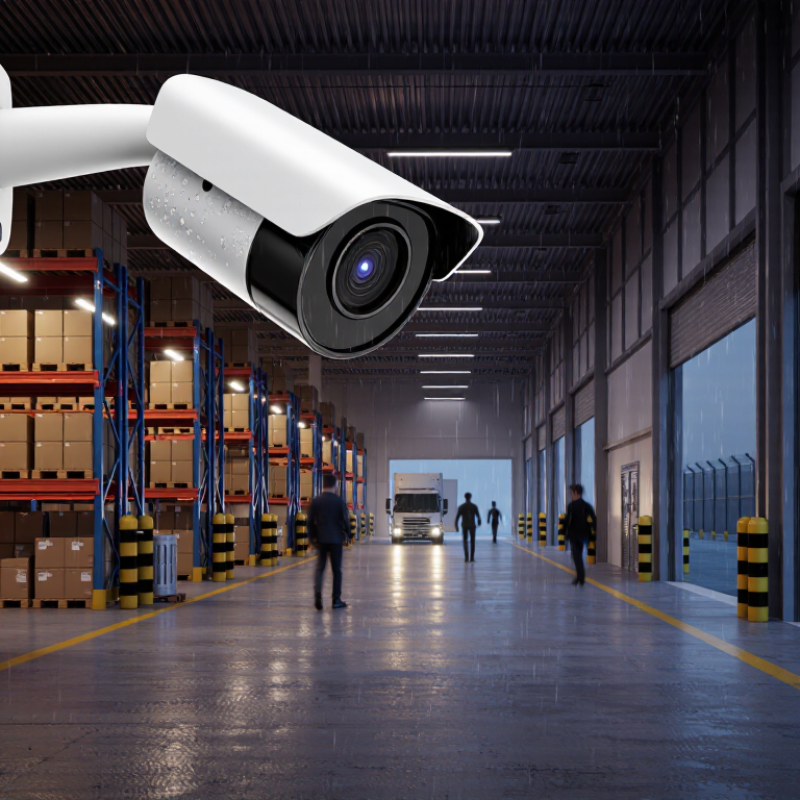
IP cameras are digital video devices that send images through an internet protocol network. Unlike older analog systems, they can transmit footage, audio, and alerts through structured data connections. A camera may use Power over Ethernet, reducing separate power wiring at a busy entrance or warehouse corridor. The image arrives at a local recorder, secure server, or approved cloud platform.
In global security projects, this architecture supports centralized monitoring across offices, factories, and remote sites. Security teams can review live scenes from one controlled interface, while local operators respond to nearby events. Edge storage can preserve footage when network links become unstable. Useful details include vehicle plates, package labels, and movement near restricted doors. However, clear images depend on lighting, lens selection, network capacity, and correct installation.
Configuration matters greatly. Strong passwords, encrypted connections, access permissions, and timely firmware updates reduce avoidable exposure. Local storage can also help meet regional data handling requirements. During field assessments, teams often discover that a camera faces glare, records too little detail, or covers a blind corner. These are ordinary mistakes, not minor ones. IP cameras are not magic. A rushed design can create false alerts and unnecessary costs. Testing at night, during rain, and during network interruptions provides more honest evidence of performance. Reliable projects also document maintenance duties, retention periods, and user access before deployment.
IP cameras convert video into digital data and transmit it through standard networks, supporting centralized monitoring, remote access, scalable deployment, and integration with analytics and access-control systems.
Regional internet-use rates indicate the level of network access available for remote IP video monitoring. Data source: International Telecommunication Union, Facts and Figures 2023.
Why Choose IP Cameras for Global Security Projects?
Core Technologies Behind Modern IP Camera Systems
Modern IP cameras combine image sensors, processors, networks, and software in one system. Their value extends beyond sharper video. According to Grand View Research, the global video surveillance market was valued at approximately USD 83 billion in 2023. The report also expects continued growth through 2030. This demand reflects larger sites, remote operations, and stronger evidence requirements.
High-quality CMOS sensors improve detail in low light. Wide dynamic range helps balance bright windows and dark corridors. Infrared illumination supports night monitoring, but reflective surfaces can still create blind areas. This is easy to underestimate. Edge processors now analyze motion, people, and vehicles near the camera. They reduce bandwidth use and speed up alerts. MarketsandMarkets projects the video surveillance market will reach about USD 83 billion by 2028, driven partly by analytics and networked systems.
Compression standards such as H.265 lower storage requirements. Power over Ethernet simplifies installation across campuses and transport facilities. Interoperability standards allow cameras, recorders, and software from different systems to communicate. Cybersecurity is equally important. Secure boot, signed firmware, encrypted transmission, unique passwords, and network segmentation reduce exposure. In practice, weak maintenance can undermine excellent hardware. A camera may detect a person accurately, yet poor lighting, incorrect mounting, or excessive compression can weaken the result. Human review still matters.
Why Choose IP Cameras for Global Security Projects?
Key Advantages of IP Cameras for International Projects
IP cameras offer practical advantages for security projects across different countries. They transmit video through existing network infrastructure, reducing the need for separate cabling. This design supports flexible installation in offices, warehouses, campuses, and remote facilities. Teams can monitor multiple sites from a central control room. That matters when local staff and technical experts work in different time zones.
Scalability is another strong benefit. A project can begin with a few cameras and expand as risks change. Power over Ethernet can simplify installation, especially in areas with limited electrical access. Network-based systems also support encrypted communication, user permissions, health monitoring, and event alerts. These features help security teams respond with better information. However, IP cameras are not automatically the best choice. I have seen projects underestimate bandwidth, storage, and maintenance needs. That mistake becomes expensive across borders. Designers should check local network quality, data protection duties, language needs, and regional technical standards before deployment.
Tips: Create a clear camera map before purchasing equipment. Test video quality during daylight and darkness. Use consistent naming for sites, devices, and alerts. Keep firmware updates controlled and documented. Choose open, widely supported protocols to reduce long-term dependence. Do not ignore privacy. Mask sensitive areas where appropriate, limit access by role, and review retention periods with qualified local advisers. Small planning gaps can create large operational problems.
Planning IP camera networks across regions requires more than selecting high-resolution devices. MarketsandMarkets’ 2024 Video Surveillance Market report projects growth from USD 53.7 billion in 2024 to USD 83.3 billion by 2029. That expansion increases pressure on network design. Regional surveys should measure lighting, cable routes, uplink capacity, storage needs, and local maintenance skills. A camera producing four megabits per second can consume about 43 gigabytes daily. Multiply that by hundreds of cameras, and storage becomes a budget issue quickly.
Design in layers. Use PoE access switches, segmented camera networks, encrypted connections, and edge recording for unstable links. Keep a tested backup path for critical sites. Latency matters. Time synchronization also matters, especially when investigators compare footage across time zones. The World Economic Forum’s Global Cybersecurity Outlook 2024 found that 90% of respondents viewed geopolitical tensions as moderately or greatly affecting cyber resilience. Therefore, regional deployment plans should include credential rotation, firmware procedures, access logging, and clear data-retention rules. Privacy requirements may differ between locations, so legal and security teams should review the design before installation.
Field deployment often exposes weak assumptions. A neat network diagram cannot predict dust, heat, power interruptions, or limited local support. Test the weak link. Pilot one site in each environment, measure real bandwidth, and record recovery times. Interoperability should be verified before purchase, not after installation. Even experienced teams sometimes overestimate wireless reliability or underestimate archive growth. That deserves another review.
Why Choose IP Cameras for Global Security Projects?
Managing Cybersecurity, Compliance, and System Scalability
IP cameras support global security projects because they connect through structured networks, not isolated video cables. This makes remote monitoring, health checks, and controlled updates more practical. However, connectivity also increases exposure. Each camera should use unique credentials, encrypted communication, and multi-factor authentication for administrative access. Network segmentation can keep cameras away from sensitive business systems. Small details matter.
Compliance requires more than storing video securely. Project teams must define retention periods, access permissions, audit logs, and deletion procedures before installation. Requirements may differ across countries, regions, and industries. Local review is essential. Privacy masking can reduce unnecessary exposure in public or shared spaces. Clear signage and documented access rules also build trust. A technically strong system can still fail when its data practices remain unclear.
Scalability depends on thoughtful design. Standard network protocols, consistent naming, and centralized monitoring help teams add sites without rebuilding the entire system. Storage calculations should include resolution, frame rate, retention, and backup needs. Bandwidth tests should happen at busy locations, not only in quiet offices. Cloud, edge, or hybrid storage may fit different sites. No design is perfect. A rushed deployment may overlook weak passwords, outdated firmware, or poor operator training. Regular testing, incident reviews, and measured upgrades keep the system useful as threats and business requirements change.
| Evaluation Dimension | Relevant Technical or Compliance Fact | Recommended Project Practice | Expected Security or Scalability Value | Priority |
|---|---|---|---|---|
| Encrypted Communications | IP camera traffic can be protected with HTTPS, TLS, and secure real-time streaming methods when supported and correctly configured. | Disable unencrypted services, use current TLS versions, and verify certificate management during commissioning. | Reduces the risk of credential theft, video interception, and unauthorized command access. | High |
| Identity and Access Control | Role-based permissions, unique user accounts, multi-factor authentication, and centralized identity services are widely used security controls. | Apply least-privilege permissions and separate administrator, operator, maintenance, and viewing roles. | Improves accountability and limits the impact of compromised credentials. | High |
| Network Segmentation | Security cameras are commonly placed on dedicated VLANs or security networks with restricted routes to management and recording systems. | Use firewalls, access-control lists, and deny-by-default rules between cameras, recorders, users, and external networks. | Limits lateral movement if a camera or connected endpoint is compromised. | High |
| Device Hardening | Default passwords, unused services, outdated firmware, and exposed management ports are recognized sources of camera-system risk. | Change default credentials, disable unnecessary protocols, apply signed firmware updates, and maintain a secure configuration baseline. | Reduces the attack surface across geographically distributed sites. | High |
| Interoperability | Open video standards can support compatibility among cameras, video management platforms, storage systems, and analytics applications. | Confirm required profiles, codecs, event interfaces, authentication methods, and firmware behavior through practical testing. | Reduces integration dependency and supports phased replacement or expansion. | Medium |
| Data Privacy and Compliance | Video may constitute personal data when individuals are identifiable. Privacy obligations depend on location, purpose, retention, access, and data transfers. | Define lawful purpose, signage, retention limits, access procedures, export controls, and privacy-impact assessments for each jurisdiction. | Helps align deployments with applicable privacy and security requirements without assuming one global rule. | High |
| Data Residency | Some jurisdictions or contracts restrict where identifiable video and related metadata may be stored or transferred. | Map data flows and select local, regional, or approved cloud storage locations before deployment. | Supports jurisdiction-specific compliance and simplifies audit evidence. | High |
| Auditability and Logging | Authentication events, configuration changes, video exports, administrative actions, and system alerts can be recorded for investigation. | Synchronize clocks using a trusted time source and forward logs to a protected, centralized monitoring system. | Strengthens incident response, forensic review, and compliance reporting. | High |
| Storage and Retention | Storage demand is influenced by resolution, frame rate, compression, scene activity, camera count, and retention duration. | Calculate capacity using actual recording profiles and include redundancy, health monitoring, and approved deletion schedules. | Balances evidential availability, operating cost, and privacy obligations. | Configurable |
| Bandwidth Management | IP video networks must accommodate live viewing, recording, playback, analytics, synchronization, and maintenance traffic. | Use appropriate codecs, resolution profiles, multicast where suitable, traffic prioritization, and site-level capacity testing. | Improves reliability across WAN links and reduces unnecessary network consumption. | Configurable |
| Multi-Site Scalability | IP architectures can add cameras and locations through routed networks, centralized management, or distributed recording designs. | Adopt a repeatable site template covering addressing, naming, permissions, firmware, monitoring, and recovery procedures. | Accelerates rollout and keeps security controls consistent across regions. | High |
| Resilience and Continuity | Local recording, redundant storage, backup power, network failover, and health monitoring can preserve service during partial outages. | Define recovery objectives and test camera, network, storage, and management failures at planned intervals. | Maintains evidence availability during connectivity or infrastructure disruptions. | High |
| Lifecycle and Patch Management | Cybersecurity risk changes over time as vulnerabilities, firmware updates, cryptographic requirements, and support periods evolve. | Maintain an asset inventory, vulnerability-review process, approved update window, rollback plan, and end-of-support register. | Prevents unmanaged devices from becoming long-term entry points. | High |
| Operational Monitoring | Camera offline events, storage faults, abnormal login activity, time drift, and configuration changes can be monitored centrally. | Define alert thresholds, escalation paths, service-level targets, and regional ownership for every site. | Reduces detection time and improves maintenance efficiency at global scale. | Medium |
Note: Security, privacy, and retention requirements should be validated against the laws, contractual obligations, and risk profile of each deployment location.
They use existing networks instead of separate video cables. Teams can monitor offices, warehouses, and remote sites centrally. Different time zones become easier to manage.
Advanced image sensors capture more detail in dim areas. Wide dynamic range balances bright windows and dark corridors. Night lighting helps, but reflective surfaces may still create blind spots.
Edge processors analyze motion, people, and vehicles near the camera. They can reduce bandwidth use and speed up alerts. The result still needs human review.
Power and data can travel through one network cable. This reduces separate electrical work across campuses or transport facilities. Planning errors still happen.
Check bandwidth, storage, camera locations, and network quality. Storage depends on resolution, frame rate, retention, and backups. Quiet office tests may hide busy-site problems.
Use unique passwords, encrypted transmission, signed updates, and segmented networks. Administrative access should require multi-factor authentication. Weak maintenance can defeat strong equipment.
Define retention periods, access roles, audit logs, and deletion procedures. Mask sensitive areas when needed. Local advisers should review regional privacy duties.
Test daylight and darkness at the actual installation points. Check bright windows, corridors, reflective surfaces, and moving subjects. A perfect test plan is unlikely.
Use open protocols, consistent device names, and centralized monitoring. This supports cameras, recorders, and software from different systems. Long-term compatibility deserves more attention.
Operators need clear alerts, access rules, and response procedures. Teams should control updates and review incidents regularly. Hardware alone cannot solve every problem.
An Ip Camera is a network-connected surveillance device that captures and transmits high-quality video through digital networks, making it well suited for global security projects. Modern systems combine high-resolution imaging, intelligent video analysis, low-light performance, edge processing, and secure data transmission to improve visibility across offices, facilities, transportation hubs, and remote sites. Compared with traditional solutions, IP-based systems offer flexible deployment, centralized management, easier expansion, and efficient integration with access control, alarms, and other security tools.
Successful international deployment requires careful planning of network capacity, power, storage, regional connectivity, and local operating conditions. Organizations should establish consistent installation standards while allowing adjustments for different sites and environments. Cybersecurity must remain a priority through strong authentication, encryption, software updates, role-based access, and continuous monitoring. In addition, privacy requirements, data-retention policies, and regional compliance should be considered from the beginning. With a scalable architecture and proactive management strategy, Ip Camera networks can support reliable, secure, and long-term protection across multiple regions.

Psennikow