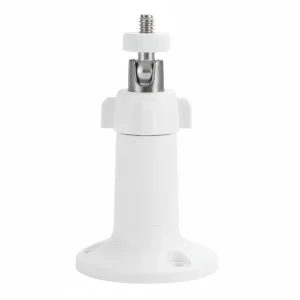
High-performance brackets, waterproof interfaces, and industrial transmission baluns curated for the environmental parameters of Geneva Canton.
Geneva, as a global hub of diplomacy, wealth management, and luxury watch manufacturing, demands security systems that operate with absolute reliability. Sites such as the diplomatic missions near the United Nations Office at Geneva (UNOG), residential estates in Cologny, and industrial manufacturing sites in Plan-les-Ouates present unique monitoring challenges that traditional wired infrastructure struggle to address efficiently.
Furthermore, Switzerland's commitment to ecological sustainability—anchored in the Swiss Energy Strategy 2050—strongly encourages the deployment of self-sustaining, low-carbon technologies. Industrial solar surveillance cameras represent the apex of this paradigm shift. By eliminating the necessity for grid trenching, security projects reduce structural landscape damage and minimize carbon footprints while achieving complete operational independence.
However, Geneva's meteorological reality demands specialized engineering. With winters characterized by low sun angles, frequent fog from Lake Geneva, and short daylight periods, standard off-the-shelf solar cameras fail due to battery depletion. This is where high-efficiency monocrystalline panels, intelligent battery heaters, and ultra-low power consumption chipsets become mandatory security parameters.
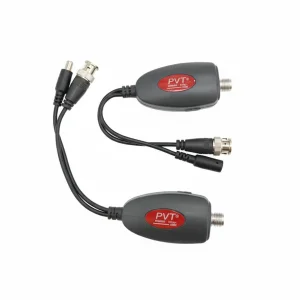
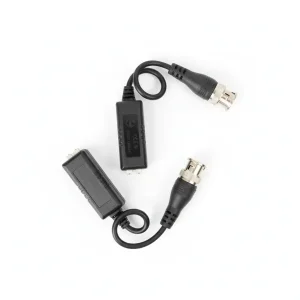
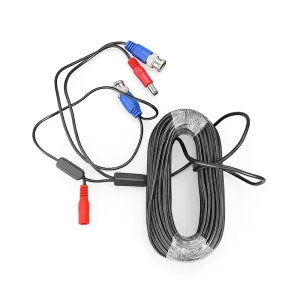
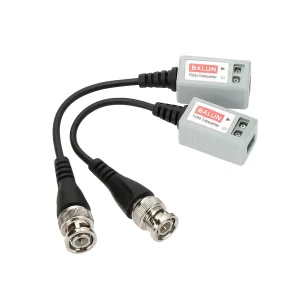
Optimized cabling and balun units to integrate traditional CCTV installations with hybrid solar-powered off-grid networks.
Designing a reliable solar-powered video surveillance solution in Switzerland requires a strict mathematical approach to power budgets. During Geneva's December solstice, the sun angle is low, and average daily insolation drops to approximately 1.2 to 1.8 kWh/m²/day. Compare this to standard tropical regions where average solar harvest exceeds 5.0 kWh/m²/day, and the engineering challenge becomes clear.
To deliver continuous monitoring without system failure, our solar camera technology relies on three integrated pillars:
Through these design paradigms, industrial complexes, agricultural holdings, and construction projects throughout the Canton of Geneva can secure perimeters without incurring the expensive labor of laying copper lines, saving up to 70% in installation and deployment costs.
Shenzhen Xin Vision Technology Co., Ltd. was founded in 2013, with 10 years of experience in the security industry. Company to professional, integrity, win-win, create brilliant enterprise for the concept. Set professional R & D, manufacturing, sales and service in one of the industrial enterprises. Main low-power solar cameras, network cameras and suite series, etc., widely used in various fields, to meet the network and no network of various environments.
The scale of the company is not large, but they have always had a dream, that is, through their own efforts and innovation, to bring security technology to more people, to protect more people's lives and property safety. In order to realize this dream, the engineers of Xin Vision began a long journey of research and development. They worked day and night to overcome one technical difficulty after another, and finally succeeded in developing a new coaxial high-definition camera. This camera can not only clearly shoot every detail, but also effectively prevent hacker attacks and ensure the security of the data. Then, Xin has developed a digital network camera, which can be transmitted through the network, avoiding the problems of transmission distance limitation and signal interference existing in traditional analog cameras. Once the two products were launched, they quickly gained market recognition and won wide praise for Xin Vision.
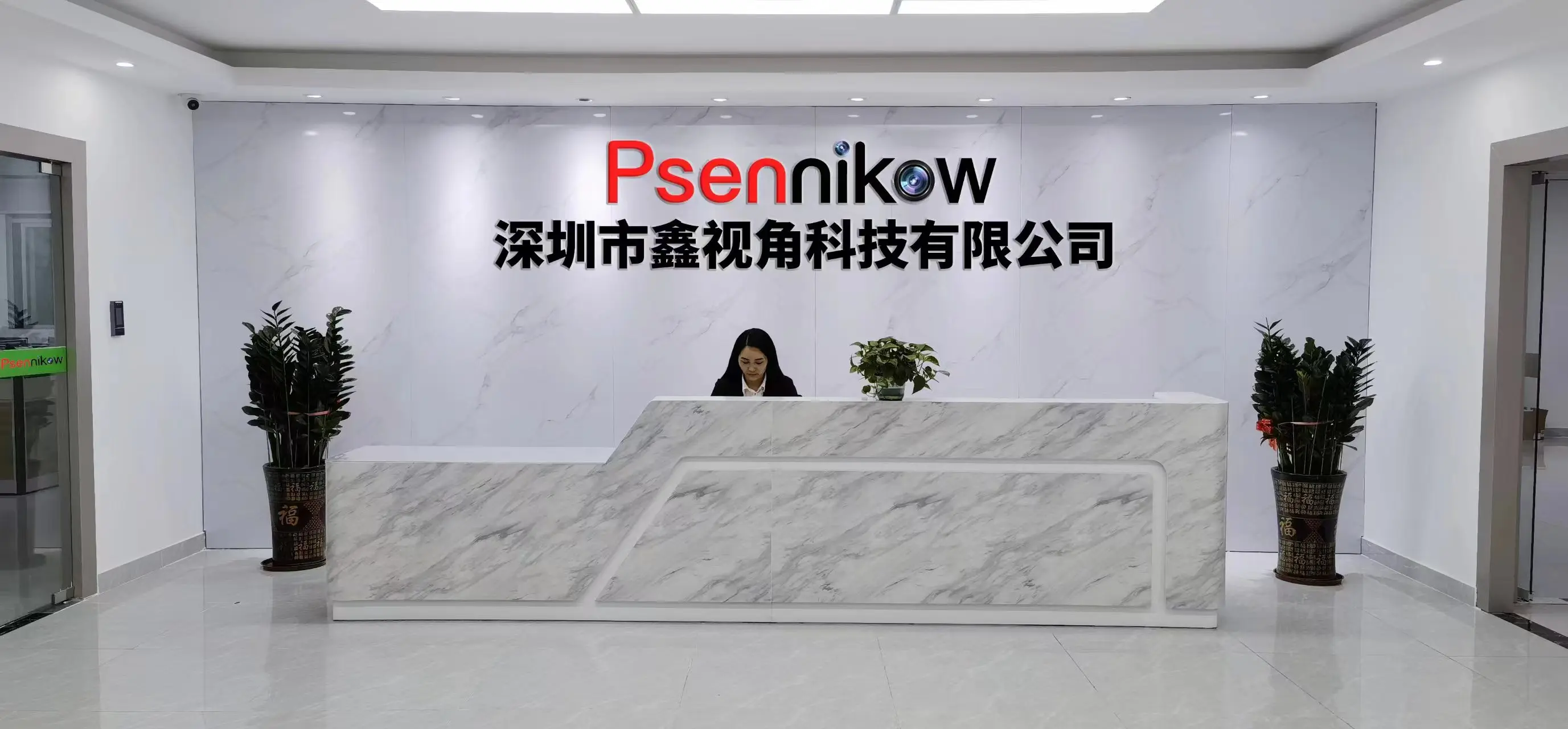

After this, Xin perspective is to take advantage of the pursuit, and have launched a series of other security products, including WIFI series products, wireless sets, low-power solar cameras and so on. These products have also achieved good results in the market, laying a solid foundation for the rapid development of the company. Today, Shenzhen Xin shi jiao Technology Co., Ltd. has become a security industry has a place, our products are widely used in government, transportation, enterprises, communities, medical, education, public security and other industries, for the social security has made a great contribution. Xin Perspective engineers are still innovating, they believe that only through continuous research and development and innovation, in order to better protect everyone's safety. Our dreams continue, and in the future, they will bring more surprises and contributions to global security.
Deploying outdoor optical sensors in Geneva requires a granular understanding of the Swiss Federal Act on Data Protection (FADP) alongside European GDPR standards. When sourcing surveillance hardware, B2B procurement managers must ensure key privacy features are embedded within the firmware:
Working directly with an experienced manufacturing supplier like Shenzhen Xin Vision Technology ensures that hardware firmware can be customized at the factory level to match local Swiss regulations, saving downstream systems integrators significant setup time.
Explore our CE-certified line of smart solar arrays, multi-lens configurations, and POE components engineered for Geneva environments.
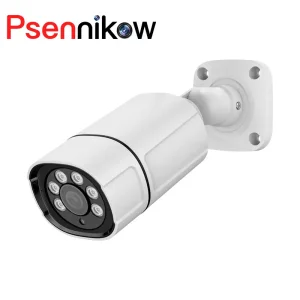
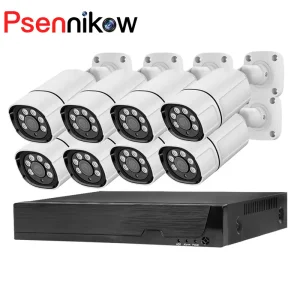
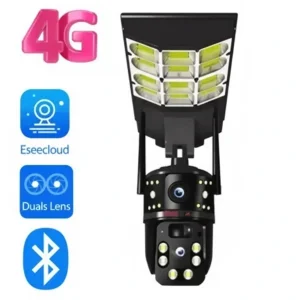
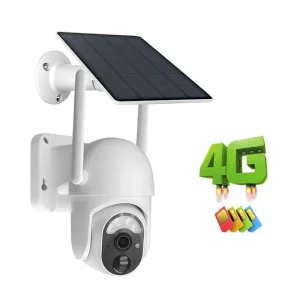
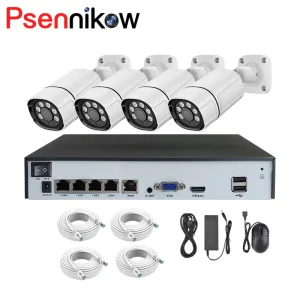
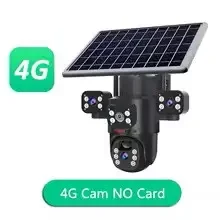
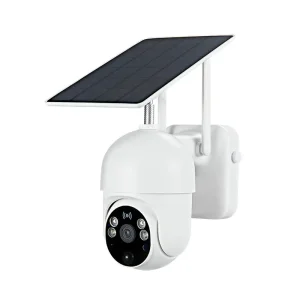
As the smart camera landscape rapidly advances, three major trajectories define the hardware lifecycle of industrial solar-powered surveillance in high-latitude environments:
1. Multi-Spectral Sensor Arrays: Combining visible-light optical glass with thermal infrared detectors allows for superior detection at night and through heavy alpine snowstorms. Future hardware models will feature integrated thermal cores to assist agricultural managers and industrial perimeter specialists in tracking movement independent of illumination or weather obstacles.
2. Edge Artificial Intelligence: Traditional systems process video in centralized clouds, consuming high system bandwidth and computing power. Next-generation camera builds will integrate local Neuromorphic Processing Units (NPUs) that categorize humans, vehicles, and animal vectors on-device. This local processing slashes active transmission time, maximizing the solar battery budget.
3. 5G IoT Integrations: Operating directly within the modern telecom grid structure, the shift toward NarrowBand IoT (NB-IoT) and 5G cellular enables massive data transmission with significantly reduced energy requirements compared to older 4G LTE configurations. This guarantees highly responsive real-time streaming interfaces across the rugged peaks and valleys of Switzerland.
Find expert answers regarding technology parameters, Swiss privacy compliance, winter performance, and custom wholesale inquiries.
 Psennikow